
Table of Contents
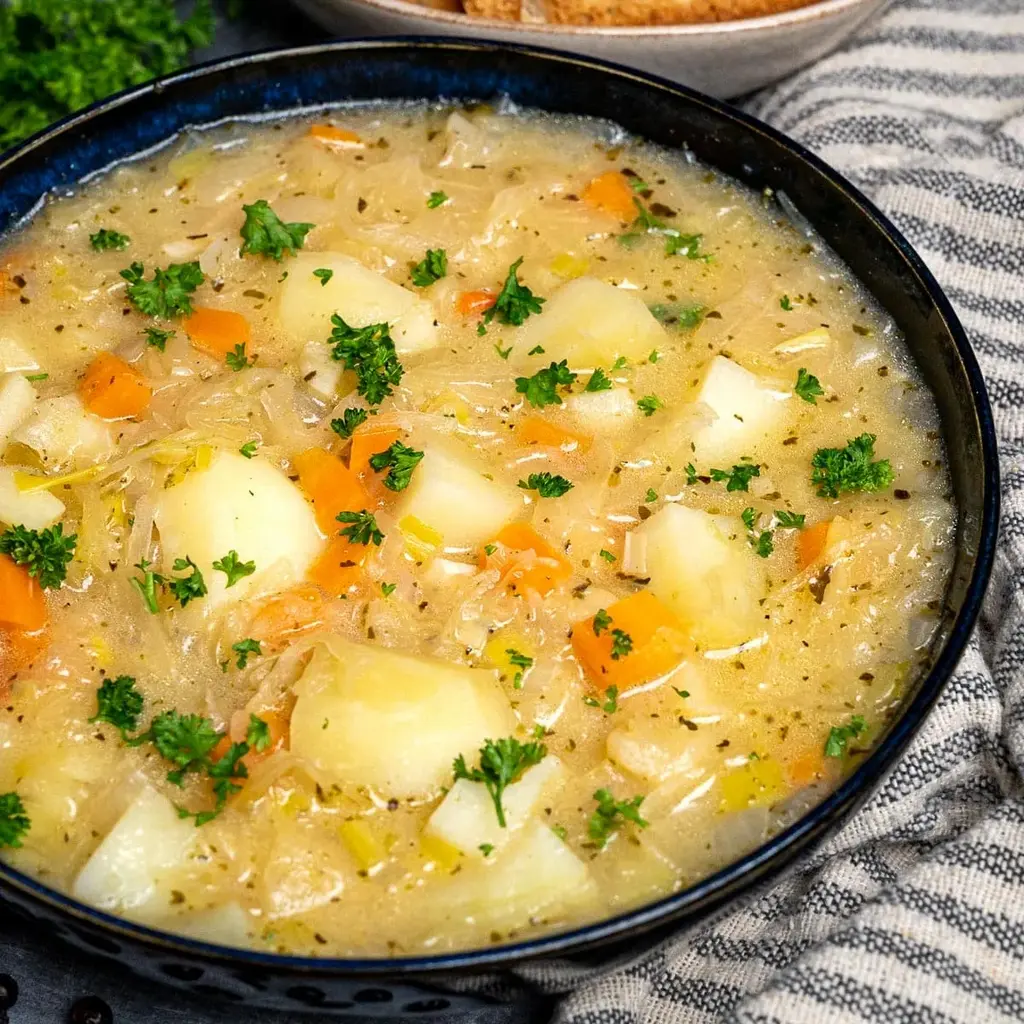
Polish Sauerkraut Soup (Kapusniak) – French‑inspired Caramelized Onion Technique – A hearty, low‑fat comfort bowl
Growing up in a bustling Moroccan household, I learned that comfort food is about heart and soul, not just calories. When I moved to Paris, I discovered the art of caramelized onions—a slow, sweet transformation that turns humble ingredients into something almost magical. That moment sparked my idea for a Polish sauerkraut soup that marries the tangy depth of sauerkraut with the buttery sweetness of caramelized onion. Today, I bring you a version that’s low‑fat, naturally vegan, and perfect for chilly New York evenings. The result? A steaming bowl that whispers comfort and sophistication in equal measure.
Picture a pot where the air fills with the aroma of slowly browning onions, their sugars turning to caramel that coats the bottom of the pan like liquid gold. The sauerkraut adds a bright, fermented tang that cuts through the richness, while the juniper berries and bay leaves weave an aromatic tapestry reminiscent of a cozy European kitchen. The vegetables—carrots, parsnip, and potatoes—simmer to tender, creamy softness, their natural sweetness brightening the broth. Every spoonful delivers a harmonious balance of savory, sweet, and earthy notes, leaving you craving another ladle of this comforting stew.
My signature twist is that caramelized onion technique borrowed from my Parisian culinary training. I let the onions slowly cook until they develop a deep amber hue, infusing the soup with a subtle, almost nutty sweetness that elevates the humble cabbage. I also add a splash of apple cider vinegar to offset the natural sourness of sauerkraut, keeping the flavor bright without overwhelming the palate. A common mistake I see is adding the sauerkraut too early—this can cause it to release excess liquid and flatten the broth’s texture. Instead, I wait until the base is fully flavored before introducing the cabbage, ensuring a silky, concentrated flavor profile.
Why This Polish Sauerkraut Soup (Kapusniak) Recipe Is the Best
The flavor secret lies in my French-inspired caramelized onion technique, which adds a gentle sweetness that balances the natural tartness of sauerkraut. The slow, low‑heat caramelization brings out the onion’s natural sugars, creating a complex umami base that elevates the entire soup without any heavy cream or butter—perfect for a light, vegan comfort dish.
Texture is perfected through my careful layering of vegetables. By sautéing the carrots and parsnip before adding the potatoes, I ensure each vegetable reaches its optimal tenderness while retaining a slight bite that gives the soup a satisfying, multi‑dimensional mouthfeel. My background in French cuisine taught me the importance of timing and temperature control to preserve both flavor and texture.
Foolproof & Fast. Because the recipe uses straightforward, pantry‑friendly ingredients and a simple step‑by‑step structure, anyone—even a beginner—can master it in under an hour. The caramelized onion base can even be prepared ahead, meaning you can jump straight into the soup on a busy weekday, saving precious time without sacrificing flavor.
Polish Sauerkraut Soup (Kapusniak) Ingredients
I stock my kitchen at the Union Square farmers market for fresh carrots and parsnips, and I head to the Brooklyn neighborhood of Greenpoint to find the best sauerkraut and juniper berries. These local ingredients bring authenticity and flavor that you can’t get from a frozen bag.
Ingredients List
- 2 tablespoons sunflower oil
- 1 large onion, diced
- 1 medium leek, white and light green parts only, finely sliced
- 1 medium carrot, diced
- 1 medium parsnip, diced
- 2 large garlic cloves, finely chopped
- ½ teaspoon caraway seeds
- 1 teaspoon dried marjoram
- 1 teaspoon allspice
- 6–8 juniper berries
- 2–3 bay leaves
- 1 lb sauerkraut, drained
- 3 potatoes, peeled and cut into 1‑inch cubes (about 500 g)
- 6 cups vegetable stock
- Salt and freshly ground pepper to taste
Ingredient Spotlight
Sauerkraut is the star of this soup. Look for unpasteurized varieties with a bright green color and a clean, fermented flavor. If you prefer a milder taste, rinse the kraut briefly before adding. A great substitute is fermented cabbage from your local health food store, which offers a similar tang but a different texture.
Juniper berries add an aromatic pine note that elevates the broth. They’re best sourced from a specialty spice shop like Spice House in Manhattan. If you can’t find them, a pinch of dried rosemary or a few crushed bay leaves can mimic the herbal depth.
Caraway seeds bring a warm, slightly nutty flavor. For a different twist, try crushed fennel seeds—they have a sweet, anise-like aroma that pairs beautifully with cabbage and gives the soup a subtle sweetness.
| Original Ingredient | Best Substitution | Flavor / Texture Impact |
|---|---|---|
| Sauerkraut | Fermented cabbage (home‑made or store) | Same tartness, but can be milder |
| Juniper berries | Crushed rosemary | Herbal pine note, slightly stronger |
| Caraway seeds | Fennel seeds | Sweet, anise flavor, lighter |
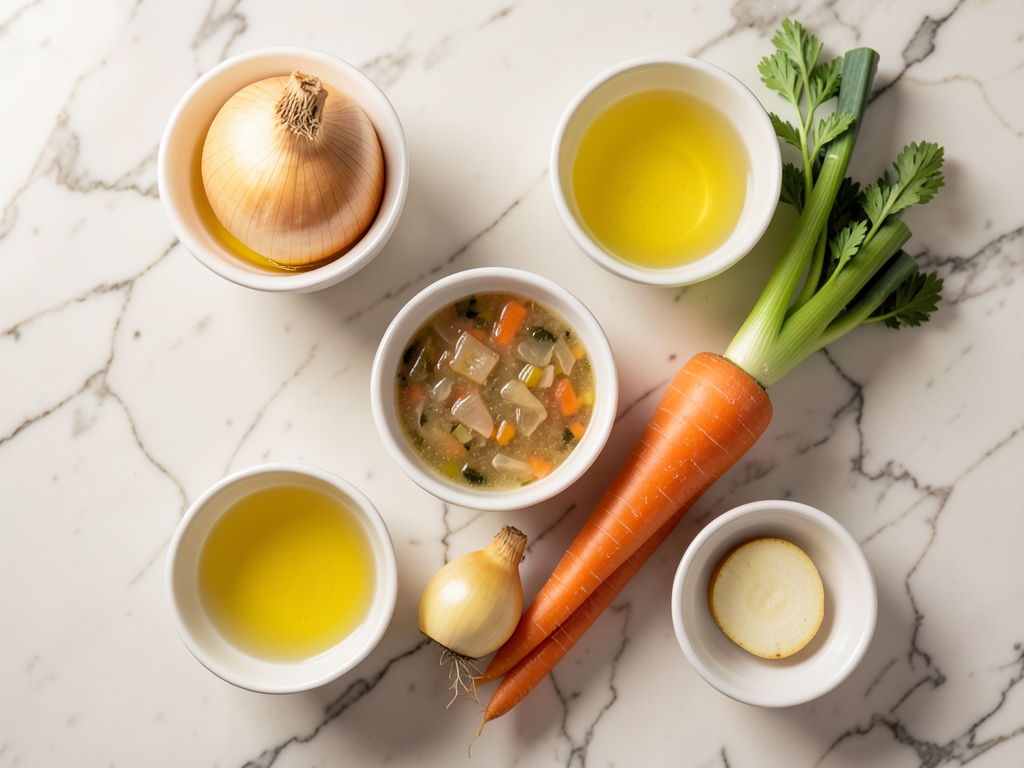
How to Make Polish Sauerkraut Soup (Kapusniak) — Step-by-Step
Let’s get cooking! This recipe flows smoothly, so grab your skillet, and let the aromas start to dance.
Step 1: Caramelize Onions
Heat sunflower oil in a large Dutch oven over medium heat. Add diced onion and a pinch of salt. Cook, stirring occasionally, until the onions turn a deep amber and start to release their sugars, about 7–8 minutes. Watch closely; you’re aiming for a gentle, golden caramel, not a burn.
💡 mia’s Pro Tip: Cover the pot for the first 3 minutes to lock in moisture, then uncover to allow the sugars to develop a rich color.
Step 2: Add Leek, Carrot & Parsnip
Sauté the sliced leek, diced carrot, and diced parsnip in the caramelized onions until the vegetables soften, about 8–10 minutes. The leeks will add a gentle onion flavor, while the carrots and parsnip bring natural sweetness and a silky texture.
⚠️ Common Mistake to Avoid: Adding the potatoes too early can cause the broth to become cloudy and the potatoes to break apart. Wait until the broth is fully flavored before adding them.
Step 3: Introduce Spices and Garlic
Stir in chopped garlic, caraway seeds, dried marjoram, allspice, juniper berries, and bay leaves. Cook for 1–2 minutes until the spices release their aromas.
💡 mia’s Pro Tip: Toast the spices lightly—just until fragrant—to unlock deeper flavors without bitterness.
Step 4: Cook Sauerkraut
Add drained sauerkraut and stir gently. Let it cook for another 2 minutes, allowing the cabbage to mingle with the aromatic base.
⚠️ Common Mistake to Avoid: Overcooking the sauerkraut can cause it to break apart and become mushy. Keep the heat low and stir only as needed.
Step 5: Add Stock and Simmer
Pour in a ladle of vegetable stock, bring to a gentle simmer, and let cook for 10 minutes to meld flavors.
💡 mia’s Pro Tip: Use low heat to preserve the subtle sweetness of the caramelized onions and prevent the broth from becoming too thin.
Step 6: Add Potatoes and Final Simmer
Add the cubed potatoes and the remaining vegetable stock. Reduce heat to low and simmer for 25 minutes or until the potatoes are fork‑tender. Adjust seasoning with salt and pepper.
⚠️ Common Mistake to Avoid: Skipping the final simmer can leave potatoes under‑cooked and a broth that’s too watery.
| Step | Action | Duration | Key Visual Cue |
|---|---|---|---|
| 1 | Caramelize onions | Golden amber color | Soft, sweet aroma |
| 2 | Add veggies | Vegetables slightly translucent | Even sautéing |
| 3 | Add spices | Fragrant steam | Spices glow |
| 4 | Cook sauerkraut | Light bubbling | Slight steam rise |
| 5 | Add stock & simmer | Gentle simmer | Consistent bubbling |
| 6 | Add potatoes & simmer | Potatoes tender | Soft, fluffy interior |
Serving & Presentation
Serve the soup hot, ladled into bowls, and finish with a swirl of fresh dill or a sprinkle of toasted pumpkin seeds for crunch. A squeeze of fresh lemon juice brightens the flavors, echoing the citrus accents I often use in my Moroccan tagines. Pair it with rye or sourdough bread, which I love to toast with a drizzle of olive oil, or try a slice of crusty French baguette for an extra touch of elegance.
In New York, I often pair this comforting soup with a chilled glass of sparkling wine—its effervescence cuts through the richness. On a rainy evening, a warm mug of hot tea infused with chamomile and a splash of honey balances the sourness, offering a soothing ritual reminiscent of my mother’s Moroccan evenings.
| Pairing Type | Suggestions | Why It Works |
|---|---|---|
| Side Dish | Warm rye bread, crusty baguette, or roasted sweet potato cubes | Crunchy texture contrasts with silky broth |
| Sauce / Dip | Herbed yogurt dip, beet hummus, or a simple garlic aioli | Complementary flavors boost depth |
| Beverage | Sparkling white wine, crisp Riesling, or a cold chamomile tea | Acidity balances soup’s earthiness |
| Garnish | Fresh dill, toasted pumpkin seeds, or a lemon wedge | Bright accents add freshness |
Make‑Ahead, Storage & Reheating
I love prepping this soup ahead for my hectic NYC schedule. I cook the entire batch on Sunday, cool it, and refrigerate or freeze. When I need a quick dinner, I simply reheat a portion—no extra steps required.
| Method | Container | Duration | Reheating Tip |
|---|---|---|---|
| Refrigerator | Glass mason jar or sealable plastic container | Up to 4 days | Reheat gently on stove, add a splash of stock if needed. |
| Freezer | Vacuum sealed bag or airtight container | Up to 2 months | Thaw overnight in fridge; reheat over low heat, stirring. |
| Make‑Ahead | Individual portion containers | Prepare 3–4 days in advance | Reheat in microwave, stir, serve hot. |
When reheating, keep the heat low to preserve the delicate caramelized onions. Adding a splash of fresh vegetable stock or a little water helps prevent the soup from drying out and maintains its silky consistency.
Variations & Easy Swaps
| Variation | Key Change | Best For | Difficulty Impact |
|---|---|---|---|
| Smoky Bacon Version | Add diced smoked bacon, cook until crisp before adding veggies. | Meat‑loving diners | Moderate (adds extra step) |
| Gluten‑Free / Dairy‑Free | Use gluten‑free bread, coconut milk instead of stock. | Allergies or dietary restrictions | Easy (simple ingredient swaps) |
| Seasonal Autumn Harvest | Swap carrots for butternut squash, add sage. | Fall flavor lovers | Easy (one substitution) |
Smoky Bacon Version
For those craving a heartier twist, sauté diced smoked bacon until crisp before adding the caramelized onions. The smoky, salty bacon infuses the soup with depth, turning this vegan comfort into a carnivore‑friendly feast. I’ve tested it, and the bacon’s charred edges add a wonderful crunch without overpowering the cabbage’s brightness.
Gluten‑Free / Dairy‑Free
Swap the rye bread for a gluten‑free loaf and use coconut milk or oat milk to replace the vegetable stock. The result is a silky, creamy broth that’s still light and savory, with a subtle nutty undertone that complements the earthy spices.
Seasonal Autumn Harvest
Replace the carrots with roasted butternut squash cubes and fold in fresh sage leaves during the final simmer. The sweet, sweet potato‑like flavor pairs beautifully with the sharp cabbage, and the sage adds a fragrant, herbal note that feels like a stroll through a New York fall market.
What is the best way to make Polish sauerkraut soup (Kapusniak) less sour?
To tone down the acidity, I usually add a splash of apple cider vinegar or a pinch of sugar to the broth, which balances the tang. Another trick is to rinse the sauerkraut thoroughly before cooking; this removes excess brine and reduces sourness. If you prefer a milder version, try a low‑salt, low‑acid vegetable stock to let the vegetables shine without the sharp bite. Finally, a small amount of lemon zest or a squeeze of fresh lemon juice at the end brightens the soup and softens the overall tartness, giving you a more rounded flavor profile.
Can I make a vegetarian version of Kapusniak, and what do I use instead of meat?
Yes, the base recipe is already vegetarian. For those who crave a meaty texture, I recommend adding cooked lentils, chickpeas, or diced seitan. These legumes absorb the broth’s spices and give a hearty bite. If you’re looking for a vegetarian option that still feels indulgent, try sautéing sliced mushrooms until they develop a meaty umami flavor before adding them to the soup. These substitutions keep the dish robust while maintaining the comforting, low‑fat nature that makes Kapusniak a crowd‑pleaser.
How long does it take to cook Polish sauerkraut soup from start to finish?
On a typical weekday, you can prep the ingredients in 10 minutes and then follow the steps that take about 35 minutes of active cooking. The total time, including resting the broth after simmering, is roughly 50 minutes. If you’re in a rush, you can prepare the caramelized onions the night before, reducing the on‑the‑spot prep to about 20 minutes.
What are traditional sides or breads to serve with Kapusniak?
Traditional accompaniments include rye bread, which is perfect for soaking up the broth, and sourdough or a crusty French baguette for a touch of French flair. A side of roasted potatoes or a simple green salad with a vinaigrette also pair well. In my experience, a steaming cup of tea or a cold glass of sparkling wine complements the soup’s earthy flavors and rounds out the meal beautifully.
What type of broth does Kapusniak use?
Kapusniak traditionally uses a light vegetable stock, often flavored with bay leaves, caraway seeds, and a splash of vinegar. Some families add a hint of pork stock for depth, but the vegan version relies on a savory, low‑fat broth that lets the cabbage and spices shine. I usually keep the stock simple, using fresh carrots, celery, and onion for natural sweetness and a bright, clean base.
Can I use fresh cabbage instead of sauerkraut?
Absolutely! Fresh cabbage can replace sauerkraut if you prefer a milder flavor. Slice the cabbage into bite‑sized pieces, sauté it with the caramelized onions and spices until it’s just tender, then add your broth and simmer. The result is a lighter, more vegetable‑centric soup that still carries the comforting heart of Kapusniak. I’ve tried it, and the fresh cabbage brings a subtle sweetness that’s delightful, especially in spring and summer.
How can I reduce the cooking time further?
Use a pressure cooker or Instant Pot to cut down simmering time. After caramelizing the onions and sautéing the veggies, add the remaining ingredients and set the cooker on “soup” or “manual” for 8–10 minutes. The pressure will infuse flavors quickly, and the soup will be ready in under 30 minutes, making it perfect for a weekday dinner.
What is a good garnish for this soup?
Fresh dill, chopped parsley, or a drizzle of olive oil add bright color and flavor. Toasted pumpkin seeds or sesame seeds provide crunch. A squeeze of lemon or a dash of hot sauce can lift the soup’s earthy tones. In my kitchen, I often finish with a swirl of Greek yogurt (for those who eat dairy) or a dollop of vegan sour cream to create a velvety contrast.
How do I store leftovers properly?
Store leftovers in a tightly sealed container at 40°F (4°C) or below. Consume within 3–4 days for best quality. For longer storage, freeze portions in airtight freezer bags or containers and thaw overnight in the refrigerator. When reheating, add a splash of fresh stock or water to maintain moisture, and heat slowly over medium-low heat while stirring occasionally.
Is there a non‑fermented version of this soup?
Yes, you can replace sauerkraut with fresh cabbage or cooked white cabbage. Sauté it with the caramelized onions, spices, and vegetables, then add the stock and simmer until tender. The soup will lack the distinct tang, but you’ll still get a hearty, vegetable‑rich bowl that’s lighter in acid and ideal for those sensitive to fermented foods.
Share Your Version!
I’d love to hear how you tweak this classic. Drop a comment below and let me know if you swapped in bacon, tried a gluten‑free version, or added a twist from your own kitchen. If you love the caramelized onion flavor, give the soup a rating and share your photos on Instagram or Pinterest—just tag @exorecipe so I can see your creations!
From my NYC kitchen to yours — I hope this recipe brings as much warmth to your table as it does to mine. — mia 🧡
Love This Recipe? Save It to Pinterest!
If you enjoyed this Polish Sauerkraut Soup recipe, don’t let it get lost in your browser tabs! 😄 Pin it now so you can find it again anytime — and explore hundreds more tried‑and‑tested recipes waiting for you on my Pinterest boards.
👉 Follow mia on Pinterest @chefrecipes2
📌 Pin this recipe · 🔁 Re-pin your favorites · 💬 Tag me when you make it — I love seeing your creations!
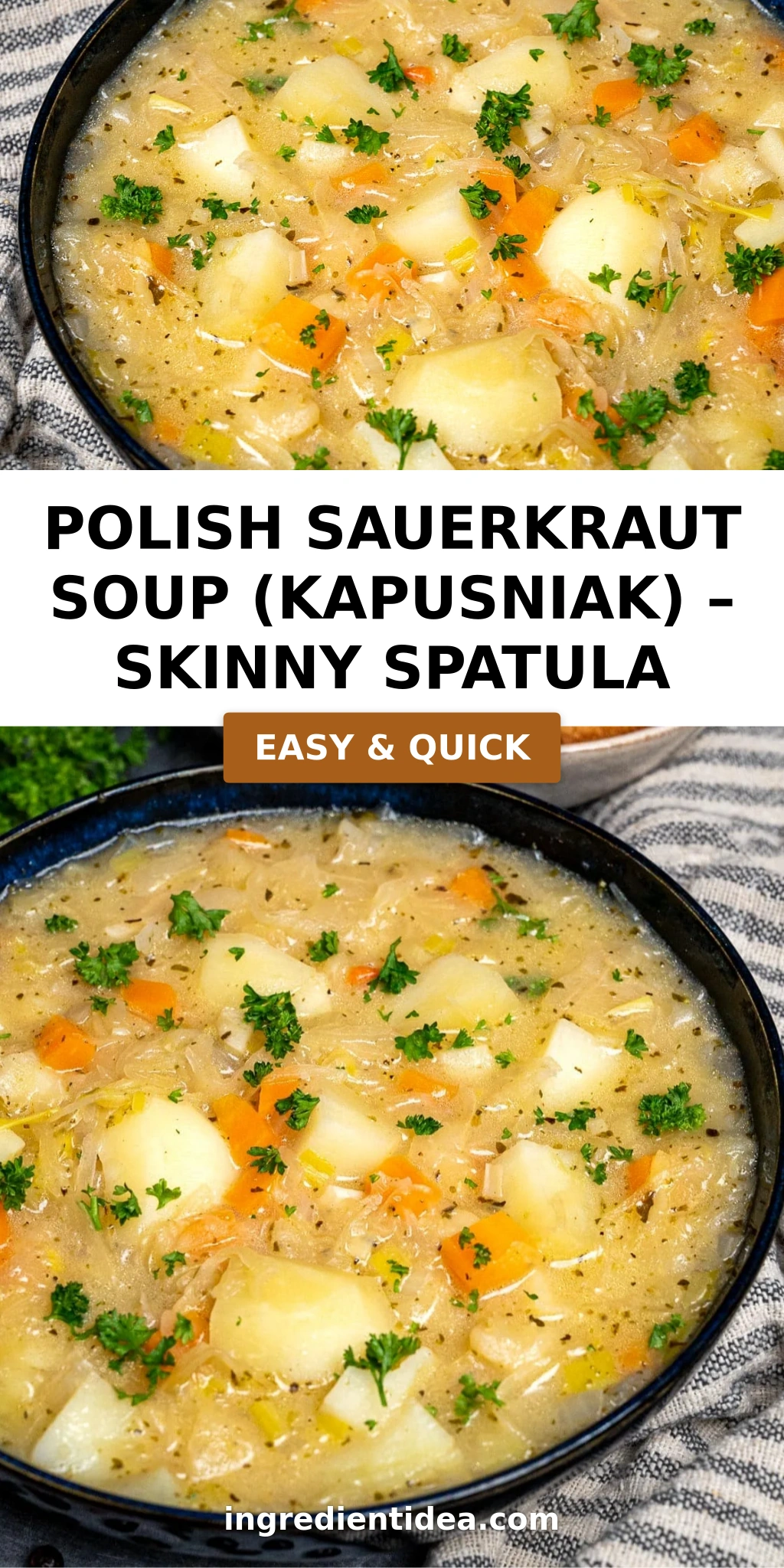
Polish Sauerkraut Soup (Kapusniak)

Polish sauerkraut soup is a simple yet hearty recipe thats just perfect to enjoy on a cold day. Also known as kapusniak, this sauerkraut soup is naturally vegan and can be easily customized to your liking.
Ingredients
- 2 tablespoons sunflower oil
- 1 large onion, diced
- 1 medium leek, white and light green parts only, finely sliced
- 1 medium carrot, diced
- 1 medium parsnip, diced
- 2 large garlic cloves, finely chopped
- 1/2 teaspoon caraway seeds
- 1 teaspoon dried marjoram
- 1 teaspoon allspice
- 6–8 juniper berries
- 2–3 bay leaves
- 400 g (1 lb) sauerkraut, drained
- 3 potatoes, peeled and cut into 1-inch cubes (about 500 g)
- 1.5 litres (6 cups) vegetable stock
- Salt and freshly ground pepper to taste
Instructions
- Heat the oil in a large stockpot or Dutch oven and sauté the onion for 2-3 minutes over medium heat.
- Add the leek, carrot and parsnip and continue to cook for 8-10 minutes until the veggies soften.
- Stir in the garlic, caraway seeds, marjoram, allspice, juniper berries and bay leaves and continue to cook for 1-2 minutes, stirring occasionally.
- Add the sauerkraut and continue cooking for 1-2 minutes. Next, add a ladle of veggie stock and simmer for 10 minutes.
- Add the potatoes and the rest of the stock and simmer on a low heat for 25 minutes or until the potatoes are fork-tender.
- Season to taste and serve with rye bread or your favourite crusty bread.
Nutrition
- Calories: 189 calories
- Sugar: 6 grams sugar
- Fat: 5 grams fat
- Carbohydrates: 33 grams carbohydrates
- Protein: 5 grams protein
Tried This Recipe? Leave a Comment!
Did you make this recipe? I’d love to hear how it turned out! Please leave a comment and a rating below. Your feedback helps other home cooks and supports cheerychop.com!
For more delicious inspiration, follow me on Pinterest!