Table of Contents
Dragon Sauce with a Moroccan Twist – The Ultimate Sweet, Tangy, and Spicy Sauce
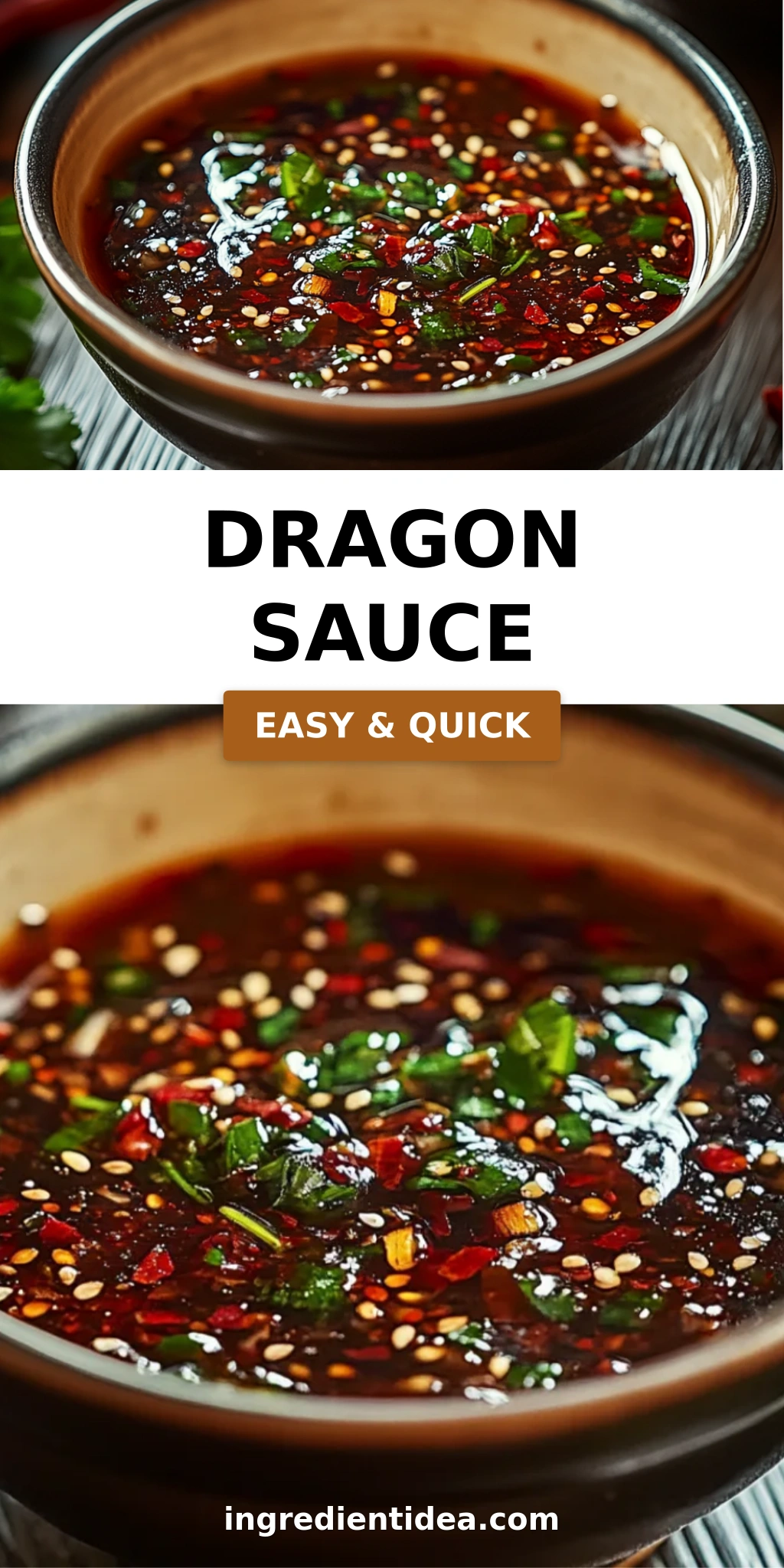
Growing up in Morocco, my mother had a way with spice blends that made every meal feel like a celebration. She would grind cumin, coriander, and paprika fresh every morning, and her harissa—a fiery red paste—was the stuff of legends. But when I moved to New York City and trained in Parisian sauces, I started dreaming of a sauce that bridged those worlds. This dragon sauce recipe is that bridge: a sweet, tangy, and spicy sauce that’s as at home on a bowl of crispy tofu as it is drizzled over grilled lamb chops. The key to this dragon sauce is the balance—soy sauce for umami, honey for sweetness, rice vinegar for tang, and sriracha for heat. It’s an easy-to-make versatile sauce that will become your new go-to.
Imagine the aroma: garlic and ginger sizzling in a hot pan, releasing that sharp, fragrant steam. Then the soy sauce and honey hit the heat, caramelizing into a glossy, amber glaze. The rice vinegar cuts through with a bright acidity, while the sriracha brings a slow, warming heat that lingers just enough. The texture is silky, almost syrupy, thanks to a touch of cornstarch that gives it the perfect cling. It’s a flavor explosion that hits every note—sweet, salty, tangy, and spicy—all in one spoonful. Every time I make this dragon sauce, it reminds me of the spice markets of Marrakech, but with a clean, modern finish I learned in Paris.
I’ve tested this dragon sauce recipe dozens of times—at home in my tiny NYC kitchen, for friends at dinner parties, and even for clients I cook for as a private chef. What sets my version apart is a few small but powerful tweaks: fresh ginger instead of powdered, a touch of honey for depth, and a precise cornstarch slurry that gives it restaurant-quality body without being gloopy. I also use a trick I picked up in culinary school—adding the garlic and ginger at the very last minute of cooking to keep their bite intact. One common mistake? Adding all the sriracha at once. Start with one tablespoon and taste—you can always add more heat, but you can’t take it out. Let me show you how easy this dragon sauce is to make.
Why This Dragon Sauce Recipe Is the Best
The flavor secret here is the layering. Most dragon sauce recipes just mix everything together and call it a day. But I learned in Paris that sauces need to be built. I sauté the garlic and ginger first in a little oil to wake up their aromas, then add the wet ingredients so they meld together. The honey I use is a local wildflower honey from the Union Square Greenmarket—it has a floral complexity that plain sugar can’t match. This is how to make dragon sauce that tastes like a professional sauce, not a quick stir-together.
Perfected texture is all about the cornstarch slurry. In culinary school, we called this “liaison”—a thickener that gives sauce its velvety finish. You must whisk the cornstarch into cold water first to avoid lumps. Once you add it to the simmering sauce, it thickens almost instantly. The result is a glossy, pourable sauce that clings beautifully to meat, vegetables, or noodles. No watery dragon sauce here—this one has body.
Foolproof and fast: this dragon sauce comes together in just 15 minutes from start to finish. Even if you’re a beginner, you can nail it on your first try. I’ve had friends text me photos of their first batch, glowing with pride. The beauty of this dragon sauce recipe is that it’s nearly impossible to mess up—just watch the heat and don’t let it boil too long or it can become too thick. My kids (and my husband, who claims he can’t cook) have made it successfully. That’s my kind of recipe.
Dragon Sauce Ingredients
When I shop for these ingredients in NYC, I head straight to the Asian markets in Chinatown for the best rice vinegar and soy sauce, and I always pick up fresh ginger from a little Korean grocery near my apartment. In Morocco, we would have used preserved lemons and argan oil, but this version is all about pantry staples you can find at any US grocery store. These dragon sauce ingredients are simple, but each one plays a crucial role.
Ingredients List
- ½ cup soy sauce
- ¼ cup honey
- 2 tbsp rice vinegar
- 2 cloves garlic, minced
- 1 tsp fresh ginger, grated
- 1 tbsp sriracha sauce (adjust to spice preference)
- 1 tbsp cornstarch
- 2 tbsp water
Ingredient Spotlight
Soy sauce is the backbone of this sauce—choose a low-sodium version so you can control the salt. I use Kikkoman or a smaller brand called Yamasa. Honey adds a natural sweetness that balances the heat. If you’re vegan, substitute with maple syrup or agave (the flavor will be slightly different but still delicious). Rice vinegar is milder than white vinegar; apple cider vinegar works in a pinch but use half the amount. Fresh ginger is non-negotiable—powdered ginger lacks the zing. You can freeze fresh ginger and grate it directly from frozen for easy prep. Sriracha is what gives this sauce its signature heat and a touch of garlic. If you’re out of sriracha, see the substitution table below.
| Original Ingredient | Best Substitution | Flavor / Texture Impact |
|---|---|---|
| Soy sauce | Tamari (gluten-free) or coconut aminos | Tamari is nearly identical; coconut aminos are sweeter and less salty |
| Honey | Maple syrup or agave nectar | Maple adds a woody note; agave is neutral and thinner |
| Rice vinegar | Apple cider vinegar (use 1 tbsp) | Slightly fruitier and more acidic—use less |
| Sriracha | Chili garlic sauce, gochujang, or red pepper flakes (½ tsp) | Chili garlic is similar; gochujang adds sweetness; flakes give heat without liquid |
| Fresh ginger | ½ tsp ground ginger | Less bright, more earthy—still works in a pinch |
How to Make Dragon Sauce — Step-by-Step
Making this spicy dragon sauce is a simple process, and I’ll walk you through each step so you get that perfect balance every time. Here’s exactly how to make dragon sauce like a pro.
Step 1: Prep the Slurry
In a small bowl, whisk together the cornstarch and cold water until completely smooth, with no lumps. Set this aside near your stove—it’s your secret weapon for a silky sauce.
💡 mia’s Pro Tip: Always use cold water for the slurry. Warm water can create lumps that are nearly impossible to dissolve.
Step 2: Sauté the Aromatics
Place a small saucepan over medium heat and add a small drizzle of oil (about 1 teaspoon). Once the oil shimmers, add the minced garlic and grated ginger. Sauté for just 30 seconds until fragrant—do not let them brown or they’ll turn bitter.
⚠️ Common Mistake to Avoid: Don’t skip this step! Many recipes dump everything together, but cooking the garlic and ginger first releases their volatile oils, giving the sauce a much deeper flavor.
Step 3: Build the Base
Pour in the soy sauce, honey, rice vinegar, and sriracha. Stir everything together with a wooden spoon or whisk. Bring the mixture to a gentle simmer—you’ll see small bubbles forming around the edges. Let it cook for 2 minutes, stirring occasionally, so the flavors meld.
Step 4: Thicken the Sauce
Give the cornstarch slurry a quick whisk (it settles fast), then pour it into the simmering sauce while stirring constantly. You’ll see the sauce thicken almost immediately, becoming glossy and smooth. Let it cook for another 30 seconds, then remove from heat.
💡 mia’s Pro Tip: If the sauce gets too thick for your liking, stir in a tablespoon of water at a time until it reaches the consistency you want.
Step 5: Cool and Store
Let the sauce cool to room temperature in the pan. It will thicken slightly more as it cools. Transfer to a glass jar or airtight container and refrigerate. Use it immediately or store for later—this sauce only gets better with time.
| Step | Action | Duration | Key Visual Cue |
|---|---|---|---|
| 1 | Whisk cornstarch and water | 30 seconds | Smooth, no lumps |
| 2 | Sauté garlic and ginger | 30 seconds | Fragrant, not browned |
| 3 | Add liquids and simmer | 2 minutes | Small bubbles at edges |
| 4 | Add slurry and stir | 30 seconds | Sauce becomes glossy and thick |
| 5 | Cool and store | 20 minutes (cooling) | Room temperature, slightly thickened |
Serving & Presentation
This dragon sauce is incredibly versatile. I love it drizzled over grilled chicken skewers (like Moroccan brochettes), spooned over crispy tofu or roasted vegetables, or used as a dipping sauce for spring rolls or dumplings. For a quick weeknight dinner, toss it with stir-fried noodles and vegetables—the sauce coats every strand. In my NYC kitchen, I often serve it with a side of jasmine rice and a sprinkle of sesame seeds and sliced scallions for color.
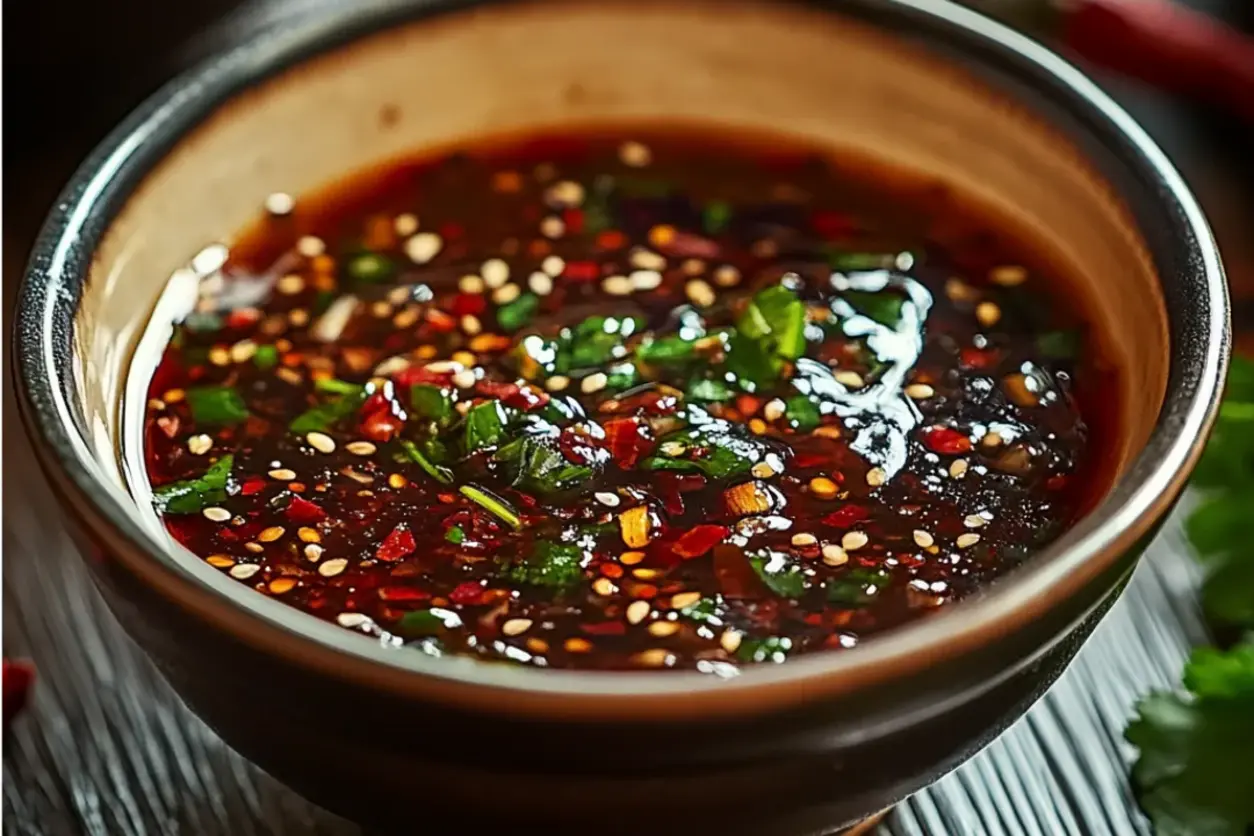
For presentation, I like to serve the sauce in a small bowl with a drizzle of extra honey and a few red pepper flakes on top. It makes for a stunning contrast against the dark brown of the sauce. If you’re hosting, double the batch and set it out as a condiment—your guests will go wild for it. One of my favorite pairings is with lamb kofta, a nod to my Moroccan roots. The sweetness of the honey and the heat of the sriracha cut through the richness of the meat beautifully.
I also use this spicy dragon sauce as a glaze for salmon or shrimp. Brush it on the last 2 minutes of grilling or baking for a caramelized, sticky finish. The tang and spice balance well with the natural sweetness of seafood. I picked up that technique from a chef in Paris who glazed everything from duck to scallops with a similar sauce—it works every time.
| Pairing Type | Suggestions | Why It Works |
|---|---|---|
| Side Dish | Jasmine rice, steamed broccoli, stir-fried noodles | The sauce coats and clings to starchy sides |
| Sauce / Dip | Spring rolls, grilled chicken skewers, dumplings | Balanced sweetness and heat enhance savory flavors |
| Beverage | Lager beer, crisp Sauvignon Blanc, iced green tea | Acidity and spice are complemented by clean, crisp drinks |
| Garnish | Sesame seeds, sliced scallions, red pepper flakes, cilantro | Adds color, texture, and fresh flavor contrast |
Make-Ahead, Storage & Reheating
This dragon sauce is a meal-prepper’s dream. I make a double batch every Sunday and keep it in the fridge for the week ahead. It’s a lifesaver when I’m racing between school drop-offs and my cooking gigs in the city. The flavors actually deepen overnight, so it tastes even better the next day.
| Method | Container | Duration | Reheating Tip |
|---|---|---|---|
| Refrigerator | Airtight glass jar | Up to 2 weeks | Microwave 20 sec or warm in a small pan |
| Freezer | Freezer-safe jar or silicone ice cube tray |