Table of Contents
Szechuan Sauce Recipe – Easy NYC Style: Bold, Sweet, Spicy in 15 Minutes
Whenever I crave that perfect balance of sweet, savory heat, I turn to this homemade Szechuan sauce recipe. It’s one of those recipes that feels like a secret weapon in my NYC kitchen. Growing up in Morocco, my mother’s tagines taught me about layering spices, and later, training in Paris refined my understanding of sauce work — how a balance of acidity, sweetness, and heat can transform a dish. This Szechuan sauce captures that spirit: it’s boldly flavored with fresh ginger and chili garlic sauce, but comes together in just 15 minutes. I make it for weeknight stir-fries, as a dip for crispy tofu, or drizzled over rice noodles. It’s my go-to for when I want restaurant-quality flavor at home without the fuss.
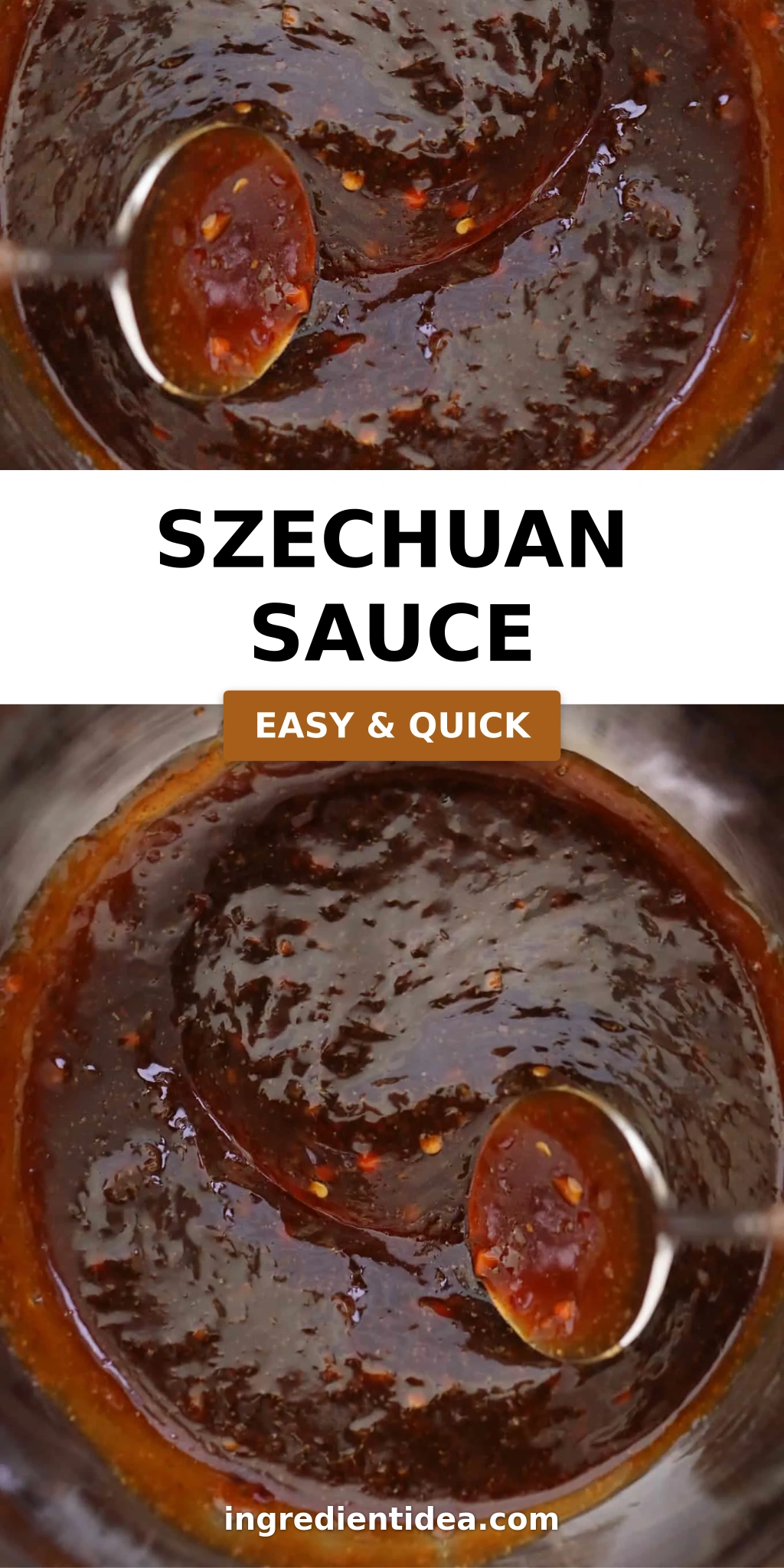
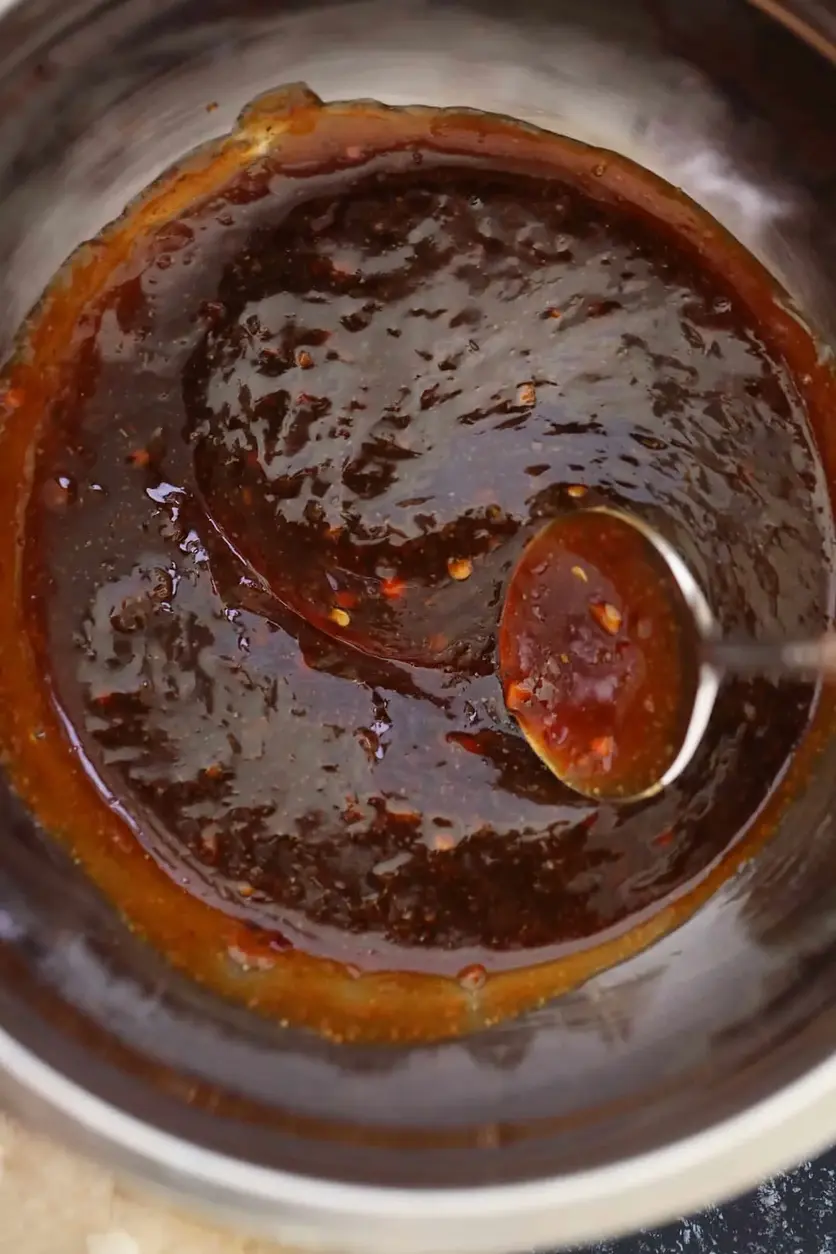
Imagine a glossy, deep amber sauce that clings to every bite — rich with umami from soy sauce, a gentle kick from red pepper flakes, and a subtle tang from red wine and rice vinegars. The fresh ginger adds a bright, peppery warmth that cuts through the sweetness of brown sugar, while the chili garlic sauce delivers a slow, building heat. As it simmers, the aroma fills my small apartment with notes of garlic, ginger, and a touch of vinegar that makes my mouth water. The texture is silky and just thick enough to coat a spoon, thanks to a cornstarch slurry that gives it that perfect, luscious body. It’s the kind of sauce that makes plain rice or steamed vegetables feel like a celebration.
What sets my version apart is a technique I learned in Paris: blooming the aromatics before adding the liquid to intensify their flavors. I gently sauté the minced ginger and garlic powder in a splash of oil before adding the soy sauce and vinegars — it unlocks a deeper, more rounded taste. Plus, I use a combination of two vinegars (red wine and rice) for complexity. A common mistake is to skip the cornstarch slurry or add it too quickly — I’ll show you how to get that perfect consistency every time. Whether you’re a seasoned cook or a beginner, this how to make Szechuan sauce guide will give you a foolproof, delicious result.
Why This Szechuan Sauce Recipe Is the Best
The Flavor Secret: This isn’t just a sweet chili sauce — it’s a harmonious blend of savory, sweet, sour, and spicy. My French training taught me to balance each element so none overpowers. The low-sodium soy sauce keeps it from being too salty, while the brown sugar caramelizes slightly as it cooks, adding depth. The fresh ginger, minced finely, provides a zing that dried ginger can’t replicate. I love how the red wine vinegar adds a fruity note that rice vinegar alone can’t achieve. This is a Chinese Szechuan sauce that embraces simplicity without sacrificing complexity.
Perfected Texture: A good sauce should cling, not run. My technique involves dissolving cornstarch completely in cold broth before adding it to the simmering pot — this prevents lumps and ensures a silky, glossy finish. I learned this trick from a pastry chef in Paris who used a similar method for fruit glazes. The result is a sauce that coats a spoon beautifully and stays put on noodles or stir-fry. It’s thick enough to be a dip but fluid enough to be a marinade. No more watery, bland sauces — this one delivers every time.
Foolproof & Fast: With only 15 minutes total, this recipe is designed for busy weeknights. All the Szechuan sauce ingredients are pantry-friendly — soy sauce, vinegar, brown sugar, chili garlic sauce, and cornstarch. I use chicken broth for a richer flavor, but vegetable broth works perfectly for a vegetarian version. The steps are straightforward: mix, simmer, thicken. I’ve tested it dozens of times in my NYC kitchen, and even my most beginner friends have nailed it on the first try. It’s a reliable, delicious staple you’ll make again and again.
Homemade Szechuan Sauce Ingredients
I pick up most of these ingredients at my local Asian market in Chinatown or from the spice aisle at any US grocery store. The fresh ginger reminds me of the vibrant spice markets in Marrakech, where my mother would choose knobs of ginger with her hands, testing their fragrance. In my NYC kitchen, I reach for these ingredients for their dependability and bold flavor.
Ingredients List
- 1/4 cup low-sodium soy sauce
- 2 tablespoons red wine vinegar
- 1 tablespoon fresh ginger (minced)
- 2 tablespoons brown sugar
- 1 tablespoon Asian chili garlic sauce (or chili sauce)
- 1 tablespoon rice vinegar
- 1/2 teaspoon crushed red pepper flakes
- 1/2 teaspoon garlic powder
- 1/2 cup chicken broth (vegetable broth for vegetarian)
- 1 tablespoon cornstarch
Ingredient Spotlight
Fresh Ginger: This is the heart of the sauce’s warmth. Look for ginger that’s firm, smooth-skinned, and heavy for its size. Avoid wrinkled or soft ones. In a pinch, you can use 1/2 teaspoon dried ginger, but it won’t have the same brightness. I always keep fresh ginger in my freezer — it grates beautifully when frozen.
Chili Garlic Sauce: This staple gives the sauce its signature heat and umami. I use brands like Huy Fong or Lee Kum Kee — but any Asian chili garlic sauce works. It’s different from sriracha because it has a chunkier texture and more garlic flavor. If you substitute with sriracha, expect a smoother, sweeter sauce with slightly less heat.
Brown Sugar: Light or dark brown sugar both work, but dark sugar adds a deeper molasses note. I use light brown for a cleaner sweetness. For a lower-sugar option, substitute with 1 tablespoon honey and reduce broth by 1 tablespoon to adjust consistency.
Red Wine Vinegar: This might seem unusual, but it adds a fruity acidity that elevates the sauce. If you don’t have it, use balsamic vinegar for a richer taste or apple cider vinegar for a milder tang. Rice vinegar alone makes the sauce too one-dimensional.
Cornstarch: This is essential for the perfect thickness. It gives a glossy, smooth texture without altering the flavor. For a gluten-free alternative, use arrowroot powder in the same quantity, but note that arrowroot creates a slightly more delicate gel that can break if over-stirred.
| Original Ingredient | Best Substitution | Flavor / Texture Impact |
|---|---|---|
| Soy Sauce (low-sodium) | Tamari or coconut aminos | Tamari is similar; coconut aminos are sweeter and less salty |
| Fresh Ginger | 1/2 tsp dried ginger | Less bright, more muted warmth |
| Chili Garlic Sauce | Sriracha (2 tbsp) + 1/2 tsp minced garlic | Smoother, sweeter, slightly less heat |
| Brown Sugar | Honey (1 tbsp) + reduce broth by 1 tbsp | Similar sweetness, slightly thinner |
| Chicken Broth | Vegetable broth | Lighter flavor, still savory |
How to Make Szechuan Sauce — Step-by-Step
Trust me, this is easier than ordering takeout. Follow these simple steps, and you’ll have a delicious homemade Szechuan sauce ready in no time.
Step 1: Prepare the Cornstarch Slurry
In a small bowl, combine 1/2 cup of the chicken broth (or vegetable broth) with 1 tablespoon cornstarch. Whisk thoroughly until the cornstarch is completely dissolved and no lumps remain. This step is crucial — any undissolved cornstarch will create lumps in your sauce. Use cold or room-temperature broth for best results, as hot liquid can cause clumping.
⚠️ Common Mistake to Avoid: Adding the slurry directly to hot liquid without dissolving it first. This guarantees lumps. Always dissolve in cold broth first.
Step 2: Simmer the Base Ingredients
In a medium saucepan over medium heat, combine the remaining 1/4 cup broth, soy sauce, red wine vinegar, rice vinegar, brown sugar, minced ginger, chili garlic sauce, crushed red pepper flakes, and garlic powder. Stir well with a whisk or wooden spoon. Bring the mixture to a light boil — you’ll see small bubbles around the edges. This takes about 3–4 minutes.
💡 mia’s Pro Tip: Let the ginger and chili garlic sauce simmer for an extra minute before adding the liquid to bloom their flavors. It brings out a deeper, more complex heat.
Step 3: Thicken the Sauce
Give the cornstarch slurry a quick stir (it settles) and pour it into the saucepan while whisking continuously. Reduce the heat to medium-low and let the sauce simmer gently, stirring often, for about 3–5 minutes. You’ll notice it start to thicken and become glossy. When it coats the back of a spoon, it’s ready. Remove from heat and allow it to cool slightly — it will thicken a bit more as it sits.
💡 mia’s Pro Tip: If the sauce becomes too thick, add a splash of warm broth or water and whisk. If it’s too thin, mix 1 teaspoon cornstarch with 2 tablespoons cold water and stir it in, simmering for another minute.
⚠️ Common Mistake to Avoid: Overcooking the sauce. Once thickened, remove from heat quickly. Simmering too long can break the starch and result in a watery sauce.
| Step | Action | Duration | Key Visual Cue |
|---|---|---|---|
| 1 | Whisk cornstarch into cold broth | 1 min | Smooth, milky liquid |
| 2 | Simmer base ingredients | 3–4 mins | Small bubbles at edges |
| 3 | Add slurry, thicken | 3–5 mins | Glossy, coats spoon |
Serving & Presentation
This Szechuan sauce is incredibly versatile. I serve it over a bowl of steamed jasmine rice with pan-seared tofu and broccoli for a quick weeknight dinner. It also makes an excellent dip for spring rolls, potstickers, or crispy chicken wings. For a more stylish presentation, drizzle it over noodles with a sprinkle of sesame seeds and sliced green onions. The glossy, deep amber sauce contrasts beautifully with the bright green scallions.
When I’m entertaining, I set out a small bowl of this sauce alongside a platter of grilled shrimp skewers and vegetable tempura. It reminds me of the mezze spreads my mother would prepare in Morocco — small dishes of vibrant, intensely flavored sauces to accompany simple foods. In Paris, I learned to garnish with a few toasted sesame seeds or a dash of chili oil for extra flair. For a touch of freshness, add a squeeze of lime juice or a sprinkle of cilantro just before serving.
The sauce pairs beautifully with a cold beer (like a crisp lager) or a light, fruity white wine such as Riesling. It can also be used as a glaze for roasted vegetables or brushed onto grilled chicken during the last few minutes of cooking. I keep a jar in my fridge at all times — it’s my emergency flavor booster.
| Pairing Type | Suggestions | Why It Works |
|---|---|---|
| Side Dish | Steamed rice, noodles, stir-fried vegetables | Absorbs and carries the sauce flavor |
| Sauce / Dip | Spring rolls, dumplings, chicken wings, tofu | Bold flavors complement mild proteins |
| Beverage | Crisp lager, Riesling, iced green tea | Cuts heat and refreshes palate |
| Garnish | Sesame seeds, green onions, cilantro, lime | Adds freshness, texture, color contrast |
Make-Ahead, Storage & Reheating
This is one of those sauces that tastes even better the next day as the flavors meld. In my busy NYC life, I often make a double batch on Sunday to use throughout the week. It’s a total time-saver for quick stir-fries or as a drizzle over grain bowls. I store it in a glass jar with a tight lid — it keeps beautifully.
| Method | Container | Duration | Reheating Tip |
|---|---|---|---|
| Refrigerator | Airtight glass jar | Up to 1 week | Reheat gently in a saucepan; add splash of water if too thick |
| Freezer | Freezer-safe jar or bag |