Table of Contents
Mongolian Ground Beef Noodles: Quick and Flavorful
New York City is a melting pot of flavors, and I always find inspiration in the speedy, satisfying dishes that fuel busy New Yorkers. This Mongolian Ground Beef Noodles recipe is a perfect example – it’s a weeknight warrior that delivers a punch of savory, slightly sweet, and deeply umami goodness without any fuss. I remember my mother making a rustic beef dish back in Morocco, but it was my time in Parisian kitchens that taught me the importance of balancing rich sauces and achieving that perfect glossy finish. This recipe takes those lessons and channels them into an incredibly accessible, quick beef noodle stir fry that even a beginner can master. It’s the kind of meal that makes your kitchen smell incredible and your family gather around the table in anticipation.
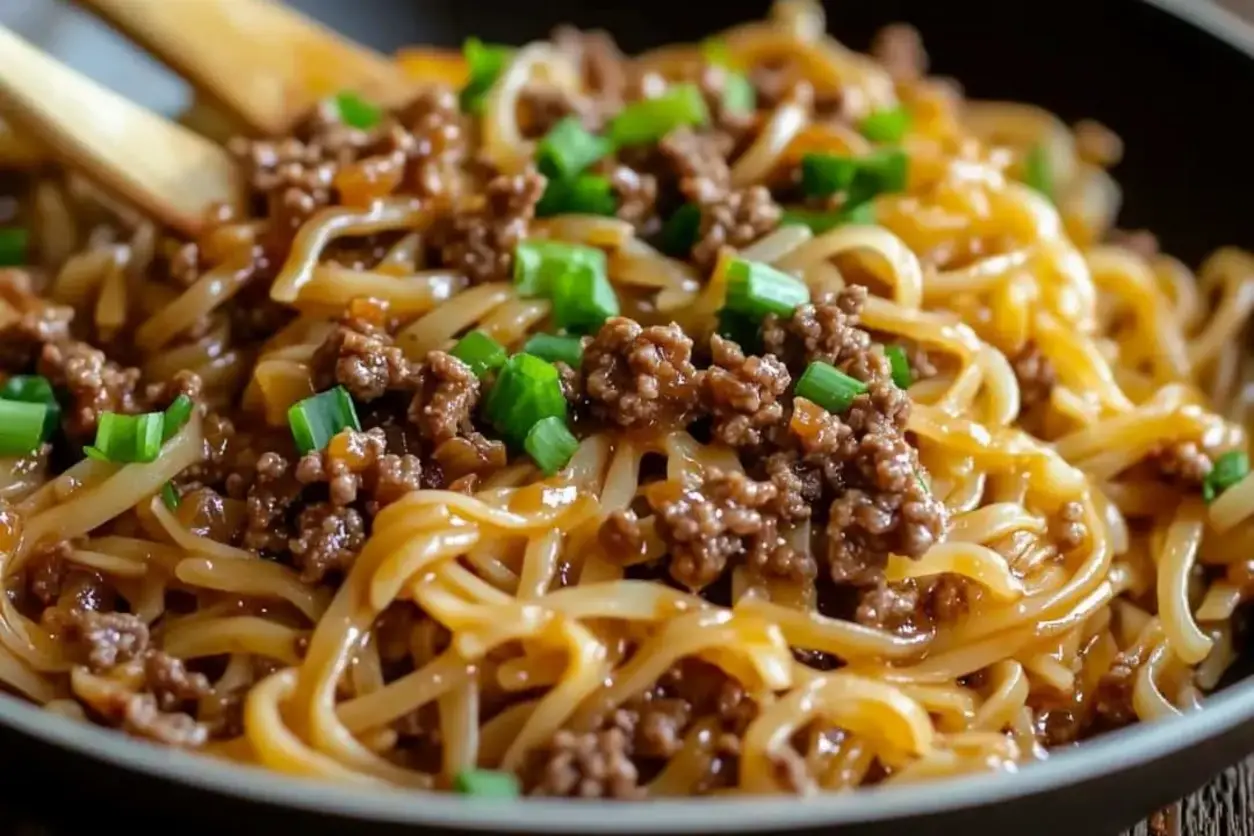
Imagine this: tender strands of linguine coated in a rich, glistening sauce, studded with savory ground beef that melts in your mouth. The aroma is a delightful clash of sweet brown sugar, pungent garlic, and the subtle warmth of ginger and black pepper, with an optional whisper of chili heat for those who like a little spark. The sauce itself is a testament to simplicity and flavor, creating a beautiful, slightly thickened glaze that clings perfectly to every noodle. It’s the kind of dish that feels like a treat, yet is built from pantry staples and comes together in under 40 minutes, a true testament to how good weeknight dinners can be when you have the right recipe at hand.
What makes my version of Mongolian beef noodles so special, you ask? It’s all about layering those flavors and ensuring a fantastic texture every time. I’ve refined the sauce to be both authentic and adaptable, making it easy to customize to your liking. Plus, I’ll be sharing a little secret on achieving that perfect, restaurant-quality glaze without any complicated techniques. We’ll also highlight a common pitfall that can lead to a watery sauce, and how to easily avoid it. Get ready for an easy ground beef noodles dish that will become a regular in your rotation!
Why This Mongolian Ground Beef Noodles Recipe Is the Best
The heart of any great dish lies in its unique charm, and for this Mongolian beef noodles recipe, it’s a fusion of my culinary journey. From my mother’s bustling Moroccan kitchen where spices were king, to the refined techniques I learned in Paris, I’ve always sought to create dishes that are both comforting and exciting. This recipe embodies that philosophy, taking inspiration from classic Mongolian flavors but adapting it with accessible ingredients and a speed that’s perfect for a New York City pace. The sauce is where my chef’s training really shines – it’s a delicate balance of sweet, salty, and savory, built to coat the noodles beautifully and develop a rich umami depth that’s utterly irresistible.
Achieving the perfect texture is something I’m passionate about. In many home kitchens, beef noodle stir-fries can sometimes end up a little mushy or dry, but we’re going to avoid that. I’ll guide you through browning the beef to lock in its juices and then creating a sauce that’s thick enough to cling to every strand of linguine without overpowering it. The key is the cornstarch slurry, and knowing exactly when to add it and how long to cook it to achieve that luscious, glossy finish that makes you feel like you’re dining in a high-end restaurant. It’s a small detail that makes a huge difference, turning a simple meal into a culinary triumph.
For anyone looking for a quick and satisfying dinner, this recipe is your answer. It’s genuinely foolproof. I’ve streamlined the steps so that even if you’re new to cooking or short on time, you can still produce incredible results. We’re using readily available ingredients that you can find at any good grocery store, and the cooking process is straightforward. You won’t need any fancy equipment or hard-to-find spices. This easy ground beef noodle dish is designed to be forgiving, fast, and unbelievably delicious, making it the perfect solution for those busy weeknights when you crave a comforting, flavorful meal without the stress.
Mongolian Ground Beef Noodles Ingredients
When I’m creating a recipe for my blog, I always think about sourcing the best ingredients, and for this quick beef noodle dinner, it’s surprisingly simple. I often grab my ground beef from a local butcher I trust near my NYC apartment, but any good quality 85/15 blend from Whole Foods or even Trader Joe’s will work beautifully. Garlic and green onions are staples I buy weekly from the Union Square Greenmarket, but again, your local supermarket is perfectly fine. The pantry staples for the sauce – brown sugar, beef broth, soy sauce, hoisin, ginger, and pepper – are things I always have on hand. A little tip for the garlic: mincing it fresh is fantastic, but if you’re in a real pinch, good quality pre-minced garlic from a jar will do the trick, though the flavor will be slightly less vibrant.
Ingredients List
- 1 lb ground beef (80/20 or 85/15 recommended for tenderness)
- 5 cloves garlic, minced
- 1/3 cup packed brown sugar
- 1/4 cup beef broth
- 1/3 cup soy sauce
- 3 tablespoons hoisin sauce
- 1/2 teaspoon ground ginger
- 1/2 teaspoon ground black pepper
- Pinch of red pepper flakes (optional for a spicy kick)
- 10 oz linguine
- 1 tablespoon cornstarch
- 2 tablespoons water
- 4 green onions, sliced for garnish
Ingredient Spotlight
Ground Beef: This forms the savory base of our Mongolian beef noodles. I prefer an 85/15 blend as it offers a good balance of flavor and richness without being overly greasy. If you get leaner beef, you might find the dish a bit drier, so a touch of oil in the pan might be needed. If you use fattier beef, be sure to drain the excess fat thoroughly after browning to avoid a greasy sauce. For a richer flavor, you can also use a small amount of beef fat rendered during cooking as part of your sauce base.
Hoisin Sauce: This is one of the key flavor drivers in many Asian-inspired sauces. It’s a thick, dark sauce made from soybeans, garlic, chili peppers, and various spices, offering a complex sweet and savory profile. You can find it in the international aisle of most major supermarkets. If you can’t find hoisin sauce, a mix of dark soy sauce and a touch of molasses or even ketchup can get you close, but the unique depth will be slightly different.
Linguine: While traditional Mongolian beef often uses wider noodles, linguine is a fantastic shortcut for an easy ground beef noodle dish that cooks quickly and easily absorbs the sauce. Its slightly flat shape is perfect for holding onto the rich glaze. If you don’t have linguine, spaghetti, fettuccine, or even thick ramen noodles would work well. Just ensure they are cooked al dente to avoid them becoming mushy in the sauce.
| Original Ingredient | Best Substitution | Flavor / Texture Impact |
|---|---|---|
| Ground beef | Ground turkey or chicken | Lighter flavor, may require a bit more seasoning or fat for richness. |
| Linguine | Spaghetti, fettuccine, or ramen noodles | Shifts noodle texture slightly; ramen may require separate seasoning if not infused with broth. |
| Hoisin Sauce | 2 tbsp soy sauce + 1 tbsp molasses/ketchup | Less complex sweetness, might be tangier or thinner depending on substitution. |
| Brown Sugar | Maple syrup or honey | Adds a different kind of sweetness; honey can carmelize faster. |
How to Make Mongolian Ground Beef Noodles — Step-by-Step
Let’s get cooking! Follow these simple steps for your delicious Mongolian ground beef noodles.
Step 1: Cook the Linguine
Get a large pot of salted water boiling. Add your 10 oz of linguine and cook according to package directions until it’s perfectly al dente. We want it to have a slight bite, as it will finish cooking in the sauce later. Once done, drain the pasta well and set it aside. You can toss it with a tiny bit of oil to prevent sticking if you’re making it ahead, but I usually do this right before the sauce is ready.
💡 mia’s Pro Tip: Reserve about half a cup of the starchy pasta water before draining. This water is liquid gold and can be used to help loosen the sauce if it becomes too thick, or to help it adhere better to the noodles, making the final dish especially glossy and well-coated.
Step 2: Brown the Ground Beef
While the pasta cooks, heat a large skillet or wok over medium-high heat. Add your 1 lb of ground beef. Break it apart with a spoon and cook, stirring occasionally, until it’s fully browned and cooked through. This should take about 5-7 minutes. Once browned, carefully drain off any excess fat from the skillet. This is a crucial step for a cleaner-tasting sauce.
⚠️ Common Mistake to Avoid: Don’t overcrowd the pan when browning the beef. If you add too much at once, it will steam instead of brown, leading to a less flavorful and less appealing texture for your Mongolian beef noodles.
Step 3: Build the Sauce
Now, add your minced garlic to the skillet with the browned beef. Sauté for about 1 minute until it’s fragrant, being careful not to burn it. Next, stir in the brown sugar, beef broth, soy sauce, hoisin sauce, ground ginger, and ground black pepper. If you’re using red pepper flakes for a little heat, toss them in now too. Stir everything together until the sugar is dissolved and the flavors are well combined. Let it simmer for about 2 minutes to allow the sauce to meld.
Step 4: Thicken the Sauce
In a small bowl, whisk together the 1 tablespoon of cornstarch and 2 tablespoons of water until you have a smooth slurry with no lumps. Pour this slurry into the simmering sauce in the skillet. Stir constantly and cook for about 2-3 minutes, or until the sauce has thickened to a nice, glossy consistency. It should coat the back of a spoon beautifully. This thickening step is what gives our easy ground beef noodles that signature luscious texture.
💡 mia’s Pro Tip: If you find the sauce is thickening too quickly, you can always add a splash more beef broth or a tablespoon of the reserved pasta water mixed with a bit more cornstarch. Conversely, if it doesn’t thicken enough, you can create another small slurry and add it in.
Step 5: Combine with Noodles
Add the cooked and drained linguine directly into the skillet with the thickened sauce. Gently toss everything together using tongs, ensuring that every strand of pasta is beautifully coated in the rich, savory sauce. Make sure the beef is evenly distributed throughout the noodles. This quick beef noodle stir fry is almost ready to serve!
Step 6: Garnish and Serve
Once the linguine is perfectly coated, it’s time to plate! Transfer the Mongolian ground beef noodles to serving bowls. Garnish generously with freshly sliced green onions for a pop of color and a fresh, oniony bite. Serve immediately while it’s hot and irresistibly delicious. Enjoy this amazing quick beef noodle dinner!
| Step | Action | Duration | Key Visual Cue |
|---|---|---|---|
| 1 | Cook Linguine | 9-11 mins | Al dente, slightly firm |
| 2 | Brown Beef | 5-7 mins | No pink visible, well-browned |
| 3 | Build Sauce | 2 mins | Fragrant garlic, dissolved sugar |
| 4 | Thicken Sauce | 2-3 mins | Thick, glossy, coats spoon |
| 5 | Combine with Noodles | 1-2 mins | Noodles evenly coated |
| 6 | Garnish & Serve | 1 min | Vibrant green onions visible |
Serving & Presentation
Plating this Mongolian Ground Beef Noodles dish is as simple as it is satisfying. I love serving it family-style in a big bowl right in the center of the table, much like we’d do back home in Morocco. The bright green of the sliced scallions against the rich, glossy, brown noodles is visually appealing and promises a delicious meal. A sprinkle of toasted sesame seeds can also add a lovely nutty aroma and a touch of elegance, reminiscent of how we’d finish special dishes.
For a truly inspired meal, I often pair this with a light, refreshing side that cuts through the richness of the beef sauce. Think of a simple cucumber salad with a rice vinegar dressing, or some steamed bok choy. These lighter elements create a beautiful balance on the palate, allowing the savory, sweet notes of the noodles to truly shine. It’s about creating a complete culinary experience, not just a single dish, and remembering the harmony of flavors and textures that makes food so enjoyable.
| Pairing Type | Suggestions | Why It Works |
|---|---|---|
| Side Dish | Steamed broccoli or green beans, Cucumber salad with rice vinegar dressing, Quick pickled carrots and daikon | Offers crisp texture and a refreshing palate cleanser against the rich sauce. |
| Sauce / Dip | Sriracha or chili garlic sauce on the side, A dollop of plain yogurt for cooling | Adds an extra kick of heat for spice lovers or a cooling contrast. |
| Beverage | Sparkling water with lime, Light lager, Unsweetened iced tea | Complements the savory notes without overpowering them; refreshes the palate. |
| Garnish | Toasted sesame seeds, Fresh cilantro leaves, A drizzle of chili oil | Adds aromatic complexity, visual appeal, and an extra layer of flavor. |
Make-Ahead, Storage & Reheating
As a busy New Yorker, I rely on smart meal prep, and this Mongolian ground beef noodles recipe is fantastic for it. I often make the sauce and cook the beef a day in advance, storing them separately from the noodles. Then, on the day I want to eat it, I’ll cook the linguine fresh, reheat the sauce gently, and toss them together. This ensures the noodles stay perfectly al dente and the sauce is just right. It’s one of my go-to strategies for having a delicious, quick meal ready in minutes after a long day.
| Method | Container | Duration | Reheating Tip |
|---|---|---|---|
| Refrigerator | Airtight container | 3-4 days | Gently reheat sauce in a skillet, then toss with freshly cooked or briefly reheated noodles. Add a splash of water or broth if too thick. |
| Freezer | Freezer-safe container or zip-top bag | 2-3 months | Thaw overnight in the refrigerator. Reheat sauce and noodles separately. The noodles may become softer upon reheating. |
| Make-Ahead | Separate containers for sauce/beef and noodles | Sauce/beef: 2 days; Noodles: 1 day | Cook noodles just before serving. Reheat sauce and toss. This preserves noodle texture best. |
When reheating, I almost always opt for the stovetop for the best texture. If the sauce has separated slightly, a gentle whisking while it heats up will bring it back together. For the noodles, if they’ve been stored separately, I’ll add them directly to the warm sauce in the skillet and toss until heated through. If reheating a fully combined dish, I’ll lower the heat and add a tablespoon of water or beef broth to prevent sticking and help steam them, being careful not to overcook them into mushiness. This keeps the dish tasting as fresh as possible.
Variations & Easy Swaps
| Variation | Key Change | Best For | Difficulty Impact |
|---|---|---|---|
| Spicy Mongolian Beef Noodles | Add extra red pepper flakes or a swirl of chili crisp | Spice lovers | Easy |
| Vegetable Medley | Add broccoli florets, bell peppers, sugar snap peas | Adding nutrients and color | Easy |
| Poultry Swap | Substitute ground beef with ground chicken or turkey | Lighter option | Easy |
Spicy Mongolian Beef Noodles
For those who crave a little more heat, this variation is for you. I love adding a generous pinch of red pepper flakes directly into the sauce while it simmers, amplifying the warmth. Another fantastic option is to finish the dish with a swirl of chili crisp or a drizzle of sriracha right before serving. This not only adds a pleasant heat but also a delightful textural crunch and extra layers of flavor, a technique I learned to appreciate in New York’s diverse culinary scene.
Gluten-Free Mongolian Beef Noodles
Creating a gluten-free version is incredibly straightforward, and the taste is remarkably similar. Simply swap out the linguine for your favorite gluten-free pasta, such as brown rice noodles or lentil-based spaghetti. Ensure your soy sauce is gluten-free, opting for tamari if needed. The cornstarch slurry and the rest of the sauce ingredients are naturally gluten-free. I’ve made this gluten-free version for friends visiting from out of town, and they couldn’t tell the difference—it’s that good!
Seasonal Vegetable Mongolian Beef Noodles
To boost the nutritional content and add vibrant color, I love incorporating seasonal vegetables. In the spring and summer, sugar snap peas and bell peppers are fantastic. For a fall or winter dish, broccoli florets or shiitake mushrooms work wonderfully. Simply sauté your chosen vegetables in the skillet after browning the beef and before adding the garlic and sauce ingredients, or add them to the sauce during the last few minutes of simmering. This reflects how I shop at NYC’s farmers markets, picking up whatever looks freshest.
What is the best type of noodles to use for Mongolian ground beef noodles?
For Mongolian ground beef noodles, a variety of noodles work well, but linguine, spaghetti, or fettuccine are excellent choices. They provide a good surface area for the sauce to cling to and cook quickly. Traditionalists might prefer wider, flat noodles, but these common pasta shapes offer a fantastic and easily accessible alternative. If you’re looking for something a bit different, thick udon or even ramen noodles can also be delicious, though their cooking times and textures may vary, so adjust accordingly to maintain that perfect al dente bite.
Can I substitute ground beef with another protein in this recipe?
Absolutely! You can easily substitute ground beef with other proteins. Ground turkey or chicken are excellent lighter options, though they might benefit from a little extra seasoning to match the beef’s richness. For a plant-based twist, crumbled firm tofu or plant-based ground meat substitutes work well, absorbing the sauce beautifully. Just ensure you cook them thoroughly according to their package directions before adding the sauce ingredients. The key is to achieve a similar texture and savory base.
How do I make Mongolian ground beef noodles less greasy?
To make your Mongolian ground beef noodles less greasy, the most important step is to thoroughly drain off the excess fat from the ground beef after browning it. If you find your beef is particularly fatty, you can even carefully wipe out any residual grease from the skillet with a paper towel before adding the garlic and sauce. Using a leaner blend of ground beef, such as 90/10, is also a good preventative measure. Finally, ensure your cornstarch slurry is properly cooked to thicken the sauce without needing extra oil.
Can I use soy sauce instead of Mongolian sauce for this dish?
While soy sauce is a component of the Mongolian sauce, it cannot fully replace the complex flavor profile of “Mongolian sauce” on its own. Traditional Mongolian sauce typically includes a blend of soy sauce, hoisin sauce, brown sugar, garlic, ginger, and sometimes sesame oil or oyster sauce. If you only use soy sauce, your dish will be much saltier and lack the characteristic sweetness and depth that hoisin and brown sugar provide. For the best flavor, I highly recommend using the combination of soy sauce and hoisin sauce as specified in the recipe.
What is the best way to store leftover Mongolian ground beef noodles?
For the best results when storing leftovers, I recommend keeping the noodles and the sauce separate if possible. Store the sauce and beef mixture in an airtight container in the refrigerator for up to 3-4 days. If you’ve already combined them, store the entire dish in an airtight container. When reheating, I prefer to warm the sauce gently in a skillet, then toss in freshly cooked or lightly reheated noodles. This helps prevent the noodles from becoming too soft. A splash of water or beef broth can help loosen the sauce if it thickens too much.
Can I make the sauce for Mongolian beef noodles ahead of time?
Yes, you absolutely can make the sauce for Mongolian ground beef noodles ahead of time! In fact, I often do this during my meal prep sessions. You can cook the ground beef and prepare the sauce mixture up to 2-3 days in advance. Store the cooked beef and sauce in a separate airtight container in the refrigerator. When you’re ready to serve, simply reheat the sauce in a skillet, cook your linguine fresh, and toss everything together. This makes weeknight dinners incredibly quick and convenient.
What are some good side dishes that complement Mongolian ground beef noodles?
To balance the rich, savory flavors of Mongolian ground beef noodles, I love pairing them with light and crisp sides. Steamed or stir-fried Asian greens like bok choy or gai lan are wonderful. A refreshing cucumber salad with a rice vinegar dressing also provides a pleasant contrast. For a bit of texture and freshness, you can never go wrong with a simple side of steamed broccoli or edamame. These sides add brightness and a healthy element without competing with the main dish.
How do I achieve a glossy, restaurant-quality sauce for my beef noodles?
Achieving that sought-after glossy sauce texture is all about the cornstarch slurry and proper cooking. Make sure your cornstarch is fully dissolved in cold water (no lumps!) before adding it to the simmering sauce. Stir continuously over medium heat until the sauce thickens and becomes translucent and shiny. This usually takes about 2-3 minutes. Using reserved pasta water can also help emulsify the sauce and add a beautiful sheen. Don’t boil it too vigorously after adding cornstarch, as it can break down the thickening agent.
Share Your Version!
I truly hope you’ll try this quick and easy Mongolian Ground Beef Noodles recipe! When you make it, please leave a star rating and share your thoughts in the comments below – I love hearing from you, and your feedback helps other cooks. If you snap a photo, don’t forget to tag me on Instagram or Pinterest at @exorecipe. I’m always so inspired by your creations! I’m curious, have you ever tried adding a touch of Moroccan spice to a dish like this? Let me know!
From my NYC kitchen to yours — I hope this recipe brings as much warmth to your table as it does to mine. — mia 🧡
Love This Recipe? Save It to Pinterest!
If you enjoyed this Mongolian Ground Beef Noodles recipe, don’t let it get lost in your browser tabs! 😄 Pin it now so you can find it again anytime — and explore hundreds more tried-and-tested recipes waiting for you on my Pinterest boards.
👉 Follow mia on Pinterest @chefrecipes2
📌 Pin this recipe · 🔁 Re-pin your favorites · 💬 Tag me when you make it — I love seeing your creations!

Mongolian Ground Beef Noodles
This Mongolian Ground Beef Noodles dish is a quick and flavorful meal combining savory ground beef, a rich and slightly sweet sauce, and tender linguine. It’s perfect for a weeknight dinner thats both satisfying and easy to make.
Ingredients
- 1 lb ground beef
- 5 cloves garlic, minced
- 1/3 cup brown sugar
- 1/4 cup beef broth
- 1/3 cup soy sauce
- 3 tablespoons hoisin sauce
- 1/2 teaspoon ground ginger
- 1/2 teaspoon ground black pepper
- Pinch of red pepper flakes (optional for a spicy kick)
- 10 oz linguine
- 1 tablespoon cornstarch
- 2 tablespoons water
- 4 green onions, sliced for garnish
Instructions
- Begin by cooking the linguine according to the package instructions. Once cooked, drain and set aside.
- In a large skillet, cook the ground beef over medium heat until it is browned and cooked through. Drain any excess fat.
- Add the minced garlic to the browned beef and cook for about 1 minute until fragrant. Stir in the brown sugar, beef broth, soy sauce, hoisin sauce, ground ginger, ground black pepper, and red pepper flakes if using. Stir well to combine all the flavors.
- In a small bowl, mix the cornstarch with water to create a slurry. Add this mixture to the skillet and stir until the sauce thickens, about 2-3 minutes.
- Once the sauce has thickened, add the cooked linguine to the skillet. Toss the noodles in the sauce until they are well coated.
- Garnish the dish with sliced green onions and serve hot.
Nutrition
- Calories: 520kcal
- Sugar: 12g
- Fat: 20g
- Carbohydrates: 60g
- Protein: 25g
Tried This Recipe? Leave a Comment!
Did you make this recipe? I’d love to hear how it turned out! Please leave a comment and a rating below. Your feedback helps other home cooks and supports cheerychop.com!
For more delicious inspiration, follow me on Pinterest!