Table of Contents
Chicken Chow Mein with the Best Homemade Chow Mein Sauce – Better Than Takeout in One Pan

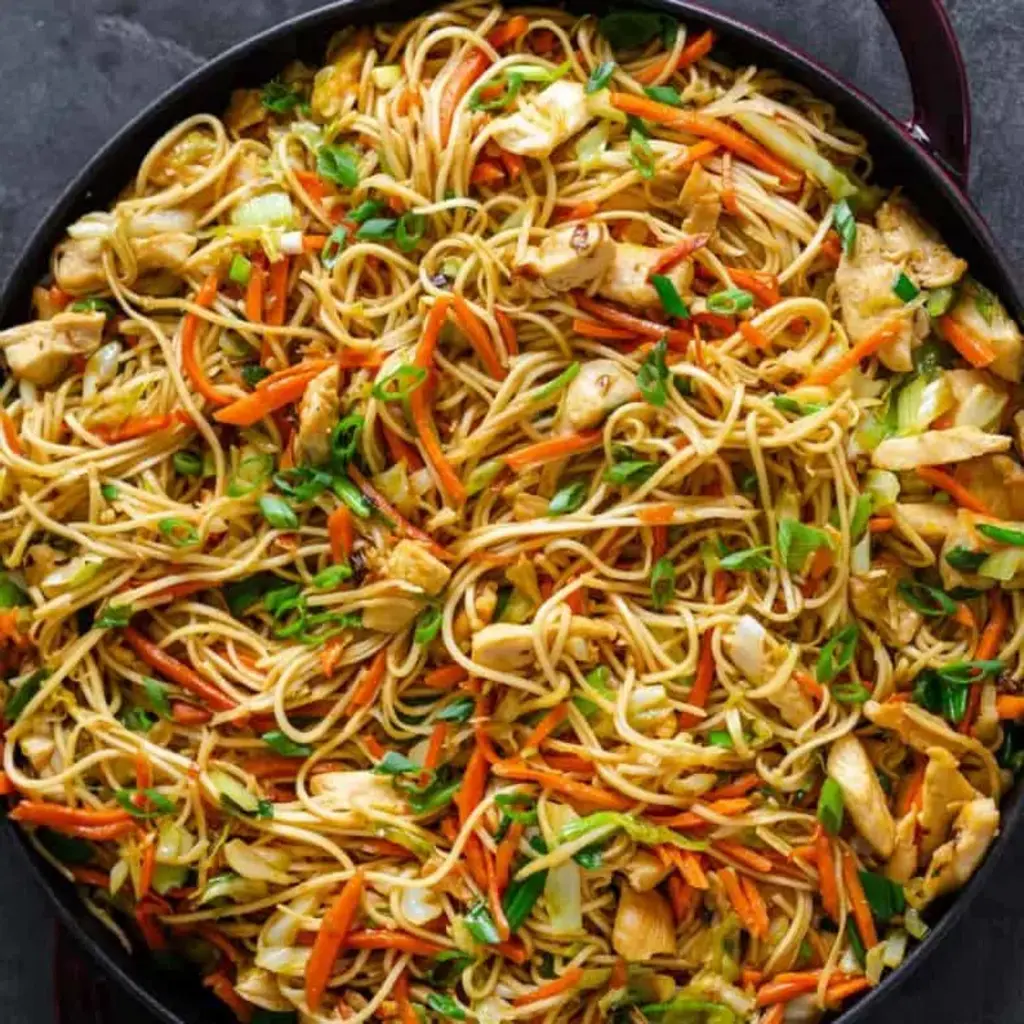
I still remember the first time I made chicken chow mein in my tiny NYC apartment and realized it was better than anything I could order from the local takeout spot. This chicken chow mein recipe is the one I turn to on busy weeknights when I want something fast, flavorful, and deeply satisfying. It brings together tender chicken, crisp vegetables, and the best chow mein sauce I have ever developed — a glossy, savory blend that coats every single noodle perfectly. Growing up in Morocco, my mother taught me that the best dishes are built on layers of flavor, and that principle is at the heart of this homemade chow mein.
What makes this chicken chow mein recipe truly special is the sauce. The best chow mein sauce balances oyster sauce, soy sauce, sesame oil, and a touch of sugar to create that signature takeout flavor we all crave. The noodles stay delightfully chewy, the chicken stays juicy, and the cabbage and carrots add just the right amount of crunch. My French culinary training in Paris taught me the importance of proper sauce work — and that skill transforms this easy chow mein from simple stir-fry into something truly memorable. If you have been searching for a one pan chow mein that delivers restaurant-quality results at home, this is it.
I have tested this copycat chow mein more times than I can count, tweaking the sauce ratios until every spoonful tasted like it came from a Chinese restaurant kitchen. The secret? A cornstarch slurry that gives the sauce body without making it gluey, and a quick high-heat sear on the chicken that locks in moisture. I will walk you through every step so you can make this takeout chow mein at home with confidence. For more weeknight inspiration, check out my collection of easy chicken recipes that bring global flavors to your table fast. From my NYC kitchen to yours — let us make the best chicken chow mein of your life.
Why This Chicken Chow Mein Recipe Is the Best
The flavor secret behind this chicken chow mein lies in the sauce. I spent weeks testing ratios of oyster sauce, soy sauce, and sesame oil until I landed on the best chow mein sauce that perfectly balances savory, sweet, and umami. My time at culinary school in Paris drilled into me the art of building a sauce that clings to every ingredient — and that technique is what elevates this homemade chow mein above any takeout version. The sauce is the soul of this dish, and once you taste it, you will never go back to delivery.
Perfected texture is what sets this chicken chow mein recipe apart. I use a specific technique: cooking the noodles al dente, rinsing them under cold water, and then stir-frying them briefly with the sauce so they stay firm but tender. The chicken gets seared in batches at high heat to develop a golden crust while the inside stays juicy. The cabbage and carrots are cooked just until they soften slightly but still retain a pleasant crunch. Every bite of this easy chow mein delivers a harmony of textures that makes it utterly addictive.
This one pan chow mein is also foolproof and fast, making it perfect for busy home cooks. From start to finish, you will have dinner on the table in about 35 minutes — faster than waiting for takeout delivery. The ingredients are simple and accessible at any US grocery store, and the method requires just one wok or large skillet. Whether you are a beginner or an experienced cook, this copycat chow mein is designed to succeed every single time. For more quick dinner ideas, browse my one pan dinners that make weeknight cooking effortless.
Chicken Chow Mein Ingredients
When I shop for ingredients for this chicken chow mein at the Union Square farmers market or my local Asian grocery in NYC, I look for the freshest vegetables and high-quality sauces. The ingredients are straightforward, but each one plays a vital role in creating the best chow mein sauce and overall dish. Let me walk you through everything you will need.
Ingredients List
- 1 lb chicken breast (boneless, skinless)
- 3 Tbsp oil
- 12 oz chow mein noodles (uncooked)
- 2 cups cabbage (shredded)
- 1 large carrot (julienned)
- 1/2 batch green onions (sliced)
- 2 garlic cloves (minced)
- 4 Tbsp oyster sauce (or added to taste)
- 3 Tbsp low sodium soy sauce
- 3 Tbsp light sesame oil (not toasted)
- 1/2 cup chicken broth
- 1 Tbsp corn starch
- 1 Tbsp granulated sugar
Ingredient Spotlight
Oyster sauce is the backbone of the best chow mein sauce. It adds deep umami and a subtle sweetness that makes this chicken chow mein taste authentically like restaurant-style takeout. Look for a brand like Lee Kum Kee or Pearl River Bridge for the most authentic flavor. If you need a vegetarian alternative, mushroom oyster sauce works beautifully with only a slight flavor difference.
Chow mein noodles are what give this dish its signature texture. These thin, yellow wheat noodles are sold fresh or dried in the refrigerated section of most grocery stores. They cook quickly and have a satisfying chew that holds up well to stir-frying. If you cannot find them, lo mein noodles or even spaghetti can work in a pinch — though the texture will be slightly different for this homemade chow mein.
Light sesame oil is a secret weapon in this chicken chow mein recipe. Unlike dark toasted sesame oil which is used as a finishing oil, light sesame oil has a neutral flavor and high smoke point — perfect for stir-frying. It helps the chicken and vegetables cook evenly while adding a subtle nuttiness that enhances the best chow mein sauce without overpowering it.
| Original Ingredient | Best Substitution | Flavor / Texture Impact |
|---|---|---|
| Chow mein noodles | Lo mein noodles or spaghetti | Slightly softer texture, still delicious |
| Oyster sauce | Mushroom oyster sauce (vegetarian) | Slightly less umami, still savory |
| Light sesame oil | Vegetable oil or avocado oil | Loses subtle nutty flavor, still works |
| Chicken breast | Chicken thighs or tofu | Thighs are juicier; tofu adds vegetarian option |
How to Make Chicken Chow Mein — Step-by-Step
Making this chicken chow mein at home is simpler than you think. Follow these steps carefully, and you will have a restaurant-quality one pan chow mein ready in under 40 minutes. I have included my best pro tips and common mistakes to avoid so your homemade chow mein turns out perfect every time.
Step 1: Make the Best Chow Mein Sauce
In a small mixing bowl, whisk together 4 tablespoons oyster sauce, 3 tablespoons low sodium soy sauce, 3 tablespoons light sesame oil, 1/2 cup chicken broth, 1 tablespoon corn starch, and 1 tablespoon granulated sugar. Whisk until the corn starch is fully dissolved and the sugar has incorporated. Set this aside — this is the best chow mein sauce you will ever make, and it is the heart of this chicken chow mein recipe.
💡 Lora’s Pro Tip: Whisk the corn starch into the cold chicken broth first before adding the other liquids. This prevents lumps and ensures a silky smooth sauce that coats every noodle in your chicken chow mein evenly.
Step 2: Cook the Noodles
Cook your 12 oz chow mein noodles according to the package instructions until they are al dente — usually about 3 to 4 minutes. Drain them immediately, rinse under cold running water to stop the cooking process, and set aside. Rinsing also removes excess starch so the noodles do not clump together when you stir-fry them later in your chicken chow mein.
⚠️ Common Mistake to Avoid: Do not overcook the noodles! They will continue cooking when you stir-fry them with the sauce and chicken. Overcooked noodles turn mushy and ruin the texture of your homemade chow mein.
Step 3: Sear the Chicken
Heat a large wok or pan with 3 tablespoons of oil over medium-high heat. Cut your 1 lb chicken breast into bite-sized strips and cook them in the hot oil until golden brown on all sides — about 4 to 5 minutes. The chicken should be cooked through but still juicy. Remove the strips from the pan and set them aside on a plate. This step builds the foundation of flavor for your chicken chow mein.
💡 Lora’s Pro Tip: Sear the chicken in a single layer without overcrowding the pan. If your wok is small, cook the chicken in two batches. Overcrowding lowers the pan temperature and causes the chicken to steam instead of brown — and browning is where the flavor lives in this chicken chow mein recipe.
Step 4: Sauté the Vegetables
In the same pan, add your julienned carrot, shredded cabbage, and minced garlic. Sauté for 2 to 3 minutes until the vegetables are slightly softened and the cabbage turns a bit translucent. The vegetables should still have some crunch — they will continue cooking briefly when you add everything back together. This fresh vegetable crunch is what makes this easy chow mein so satisfying.
⚠️ Common Mistake to Avoid: Do not overcook the vegetables. You want them tender-crisp, not limp. Overcooked vegetables release water into the pan, which can dilute the best chow mein sauce and make your chicken chow mein watery instead of glossy and flavorful.
Step 5: Combine and Finish
Add the cooked chicken and noodles back into the pan with the vegetables. Pour the best chow mein sauce over everything and toss well to combine. Continue cooking all the ingredients together for another 2 minutes, stirring constantly, until the sauce thickens and coats every noodle and piece of chicken. The sauce should look glossy and cling to the ingredients — this is the hallmark of a perfect chicken chow mein.
💡 Lora’s Pro Tip: Toss the noodles gently using tongs or chopsticks rather than a spatula. This helps the noodles stay intact and evenly coated with the sauce. A gentle hand makes all the difference in this one pan chow mein.
Step 6: Garnish and Serve
Garnish your chicken chow mein with chopped green onions and serve the noodles straight from the pan while they are piping hot. The green onions add a fresh, bright finish that balances the rich sauce. Serve immediately for the best texture and flavor — this chicken chow mein recipe is at its absolute peak right off the heat.
⚠️ Common Mistake to Avoid: Do not let the finished dish sit before serving. Chow mein noodles continue absorbing sauce as they cool, and the vegetables lose their crunch. Serve your homemade chow mein immediately for the best experience.
| Step | Action | Duration | Key Visual Cue |
|---|---|---|---|
| 1 | Make sauce | 2 mins | Smooth, lump-free liquid |
| 2 | Cook noodles | 3–4 mins | Al dente, rinsed and drained |
| 3 | Sear chicken | 4–5 mins | Golden brown outside, cooked through |
| 4 | Sauté vegetables | 2–3 mins | Cabbage translucent, carrots tender-crisp |
| 5 | Combine and cook | 2 mins | Sauce thickens and coats noodles |
| 6 | Garnish and serve | 1 min | Green onions on top, served hot |
Serving & Presentation
This chicken chow mein is a complete meal on its own, but the way you serve it can elevate the entire experience. I like to pile the noodles high on a warm platter, letting the glossy sauce catch the light. A generous scattering of chopped green onions on top adds color and freshness. In my NYC kitchen, I often serve this homemade chow mein alongside crispy egg rolls or steamed dumplings for a full takeout-style feast at home.
For a touch of Moroccan influence — a nod to my roots — I sometimes add a sprinkle of toasted sesame seeds over the top just before serving. It adds a nutty aroma and a visual pop that makes this chicken chow mein recipe feel extra special. My Paris-trained palate also loves a squeeze of fresh lime juice over the finished dish; the acidity cuts through the richness of the best chow mein sauce beautifully.
This one pan chow mein pairs wonderfully with a light cucumber salad or a bowl of hot and sour soup. For drinks, a cold Tsingtao beer or a simple jasmine iced tea complements the savory flavors perfectly. Whether you serve it for a quick weeknight dinner or a casual gathering, this copycat chow mein always impresses. For more pairing ideas, check out my guide on Chinese-inspired sides that round out the meal beautifully.
| Pairing Type | Suggestions | Why It Works |
|---|---|---|
| Side Dish | Egg rolls, spring rolls, dumplings | Adds crunch and variety to the meal |
| Sauce / Dip | Soy sauce, chili oil, plum sauce | Extra layers of flavor for dipping |
| Beverage | Tsingtao beer, jasmine iced tea, sake | Crisp, cold drinks balance the savory sauce |
| Garnish | Green onions, sesame seeds, lime wedges | Adds freshness, color, and brightness |
Make-Ahead, Storage & Reheating
This chicken chow mein is best enjoyed fresh, but I know life gets busy. As a New Yorker always on the go, I often prep the components ahead of time so I can throw this homemade chow mein together in minutes on a hectic evening. The sauce can be made up to three days in advance, and the vegetables can be sliced and stored in the fridge. Here is everything you need to know about storing and reheating your chicken chow mein.
| Method | Container | Duration | Reheating Tip |
|---|---|---|---|
| Refrigerator | Airtight container | Up to 3 days | Reheat in a hot wok with a splash of water or broth |
| Freezer | Freezer-safe bag or container | Up to 2 months | Thaw overnight in fridge, then stir-fry to reheat |
| Make-Ahead | Sauce in jar, veggies in bag | Sauce 3 days, veggies 2 days | Cook noodles fresh for best texture |
When reheating leftover chicken chow mein, the key is to use high heat and a little moisture. I heat a wok or skillet over medium-high heat, add a splash of chicken broth or water, and toss the noodles until they are steaming hot. This revives the sauce and prevents the noodles from drying out. The vegetables may lose some crunch, but the flavor of the best chow mein sauce remains absolutely delicious. Avoid microwaving this chicken chow mein recipe if you can — it tends to make the noodles rubbery and unevenly heated.
For meal prep, I recommend storing the sauce, cooked chicken, and vegetables separately from the noodles. Cook fresh noodles the day you plan to serve this easy chow mein. This way, the textures stay perfect and the dish tastes freshly made. If you have leftover noodles, toss them with a little sesame oil before storing to prevent sticking.
Variations & Easy Swaps
One of the things I love most about this chicken chow mein recipe is how adaptable it is. Over the years, I have developed several variations that keep this dish exciting and allow you to use what you have on hand. Whether you are cooking for dietary restrictions or just want to try something new, these swaps will help you make this homemade chow mein your own.
| Variation | Key Change | Best For | Difficulty Impact |
|---|---|---|---|
| Vegetarian Tofu Chow Mein | Replace chicken with extra-firm tofu | Meatless Monday, vegetarian guests | Easy – press and sear tofu until golden |
| Spicy Szechuan Chow Mein | Add 1 tbsp chili paste and Szechuan peppercorns | Heat lovers, bold flavor seekers | Easy – just stir in with the sauce |
| Gluten-Free Chow Mein | Use gluten-free noodles and tamari | Gluten-sensitive diets | Easy – swap two ingredients |
Vegetarian Tofu Chow Mein
For a plant-based take on this chicken chow mein, replace the chicken with 1 lb of extra-firm tofu that has been pressed, cubed, and pan-seared until golden on all sides. The tofu absorbs the best chow mein sauce beautifully and provides a satisfying protein boost. My Moroccan mother would approve of this twist — she always believed that great cooking is about adapting with what you have. The texture is slightly different from chicken, but the flavor of this homemade chow mein shines just as brightly.
Spicy Szechuan Chow Mein
If you love heat, this variation of chicken chow mein is for you. Add 1 tablespoon of chili paste (like sambal oelek or doubanjiang) and a pinch of Szechuan peppercorns to the best chow mein sauce before pouring it over the noodles. The chili paste adds a deep, fruity heat while the Szechuan peppercorns deliver that signature numbing tingle. My time in NYC’s Chinatown introduced me to this flavor profile, and it has become one of my favorite ways to enjoy this easy chow mein. For more spicy recipes, browse my spicy stir-fry recipes collection.
Gluten-Free Chow Mein
Making this one pan chow mein gluten-free is simple. Substitute the chow mein noodles with gluten-free ramen noodles or rice noodles, and replace the soy sauce with tamari or coconut aminos. Double-check that your oyster sauce is gluten-free — many brands offer a gluten-free version. The texture of rice noodles is lighter and slightly more delicate, but the best chow mein sauce still clings beautifully. I tested this version for a friend with celiac disease, and she said it was the best chicken chow mein recipe she had tried since going gluten-free.
Frequently Asked Questions
What is the best chow mein sauce recipe for chicken chow mein?
The best chow mein sauce for chicken chow mein combines 4 tablespoons oyster sauce, 3 tablespoons low sodium soy sauce, 3 tablespoons light sesame oil, 1/2 cup chicken broth, 1 tablespoon corn starch, and 1 tablespoon granulated sugar. Whisk these together until smooth before adding to your stir-fry. This sauce delivers the perfect balance of savory, sweet, and umami flavors that make homemade chow mein taste just like restaurant takeout. The cornstarch is essential — it gives the sauce a glossy body that coats every noodle and piece of chicken beautifully.
How do you make chicken chow mein taste like takeout at home?
To make chicken chow mein taste like takeout at home, focus on three key elements: high heat cooking, the best chow mein sauce, and proper noodle preparation. Use a wok or large skillet over medium-high heat to sear the chicken until golden brown. Cook the noodles al dente, rinse them with cold water, and stir-fry them briefly with the sauce so they stay firm. The sauce is the most important factor — the combination of oyster sauce, soy sauce, and sesame oil creates that authentic takeout flavor. This copycat chow mein method delivers restaurant-quality results every time.
What vegetables go best in chicken chow mein?
The classic vegetables for chicken chow mein are cabbage and carrots, which provide the perfect balance of crunch and sweetness. Shredded green cabbage or napa cabbage works beautifully, and julienned carrots add color and texture. You can also add bean sprouts, snap peas, bell peppers, or mushrooms for extra variety. The key is to cook the vegetables just until they are tender-crisp — about 2 to 3 minutes — so they retain their texture and freshness. This combination of vegetables makes this easy chow mein both colorful and satisfying.
Can I use regular spaghetti noodles instead of chow mein noodles?
Yes, you can use regular spaghetti noodles as a substitute for chow mein noodles in a pinch. Cook the spaghetti al dente according to package directions, rinse with cold water, and proceed with the recipe as written. The texture will be slightly softer and less chewy than traditional chow mein noodles, but the flavor of the best chow mein sauce still shines through. For a closer match to authentic homemade chow mein, look for fresh or dried chow mein noodles in the Asian foods section of your grocery store. Lo mein noodles are also an excellent substitute.
How do I prevent chicken chow mein from becoming mushy?
To prevent chicken chow mein from becoming mushy, avoid overcooking the noodles and vegetables. Cook the noodles al dente — they will continue cooking when you stir-fry them with the sauce. Rinse them under cold water immediately after draining to stop the cooking process. Cook the vegetables just until tender-crisp, about 2 to 3 minutes. Also, make sure your pan is hot enough when you combine everything; high heat helps the sauce thicken quickly without making the noodles soggy. This one pan chow mein stays perfectly textured when you follow these steps.
Can I make chicken chow mein ahead of time for meal prep?
Yes, you can meal prep components of this chicken chow mein recipe ahead of time. The best chow mein sauce can be made up to three days in advance and stored in a sealed jar in the refrigerator. The vegetables can be sliced and stored in airtight bags for up to two days. Cook the chicken and store it separately. For best results, cook fresh noodles on the day you plan to serve this homemade chow mein, as noodles tend to absorb sauce and become soft over time. When ready to eat, simply stir-fry everything together with the sauce for a quick and easy meal.
What protein can I use instead of chicken in chicken chow mein?
You can easily swap the chicken in this chicken chow mein recipe for other proteins. Beef, pork, shrimp, or tofu all work beautifully. For beef, use flank steak sliced thinly against the grain and sear it quickly over high heat. For shrimp, cook them just until pink and opaque — about 2 minutes per side. Extra-firm tofu pressed and cubed makes an excellent vegetarian option. Each protein pairs wonderfully with the best chow mein sauce, so feel free to use what you have on hand. This versatility is what makes this easy chow mein a go-to weeknight dinner.
Is chicken chow mein healthy compared to other takeout options?
This homemade chicken chow mein is significantly healthier than takeout versions because you control the ingredients. This recipe uses lean chicken breast, fresh vegetables, and a sauce made with low sodium soy sauce and minimal sugar. Each serving contains approximately 340 calories, 36 grams of carbohydrates, 13 grams of fat, and 19 grams of protein. By making this one pan chow mein at home, you avoid the excess sodium, MSG, and preservatives often found in restaurant takeout. It is a balanced meal that delivers great flavor without compromising on nutrition.
What is the difference between chow mein and lo mein?
Chow mein and lo mein are both Chinese noodle dishes, but they differ in preparation and texture. Chow mein noodles are stir-fried in a hot wok with sauce and ingredients, resulting in slightly crispy edges and a chewy texture. Lo mein noodles are boiled and then tossed with sauce at the end, giving them a softer, more slippery texture. This chicken chow mein recipe uses the stir-fry method, which creates that signature slightly caramelized flavor on the noodles. The best chow mein sauce also tends to be thicker and clings differently than lo mein sauce.
How do I get the sauce to thicken properly for chicken chow mein?
To get the sauce to thicken properly for chicken chow mein, make sure the cornstarch is fully dissolved in cold chicken broth before adding other ingredients. Whisk thoroughly to avoid lumps. When you add the sauce to the hot pan, let it cook for 2 minutes while stirring constantly — the heat activates the cornstarch and causes the sauce to thicken and become glossy. If the sauce is not thickening, increase the heat slightly and stir more vigorously. The sauce should coat the back of a spoon when ready. This technique is the secret to the best chow mein sauce for your homemade chow mein.
Share Your Version!
I hope this chicken chow mein with the best chow mein sauce becomes a regular in your weeknight dinner rotation. It is one of those recipes that feels both special and achievable — the kind of dish that makes you wonder why you ever ordered takeout in the first place. I would love to hear how yours turns out! Leave a star rating and a comment below to let me know what you think. Did you try any of the variations? Did you add your own twist? Your feedback helps other home cooks discover and perfect this chicken chow mein recipe.
If you share a photo on Instagram or Pinterest, tag @ingredientidea so I can see your creation. I personally reply to every comment and love seeing the one pan chow mein you made in your own kitchen. And if you have a question about a specific step or substitution, drop it in the comments — I am here to help you make the best homemade chow mein possible. From my NYC kitchen to yours — I hope this recipe brings as much warmth to your table as it does to mine. — Lora 🧡
Love This Recipe? Save It to Pinterest!
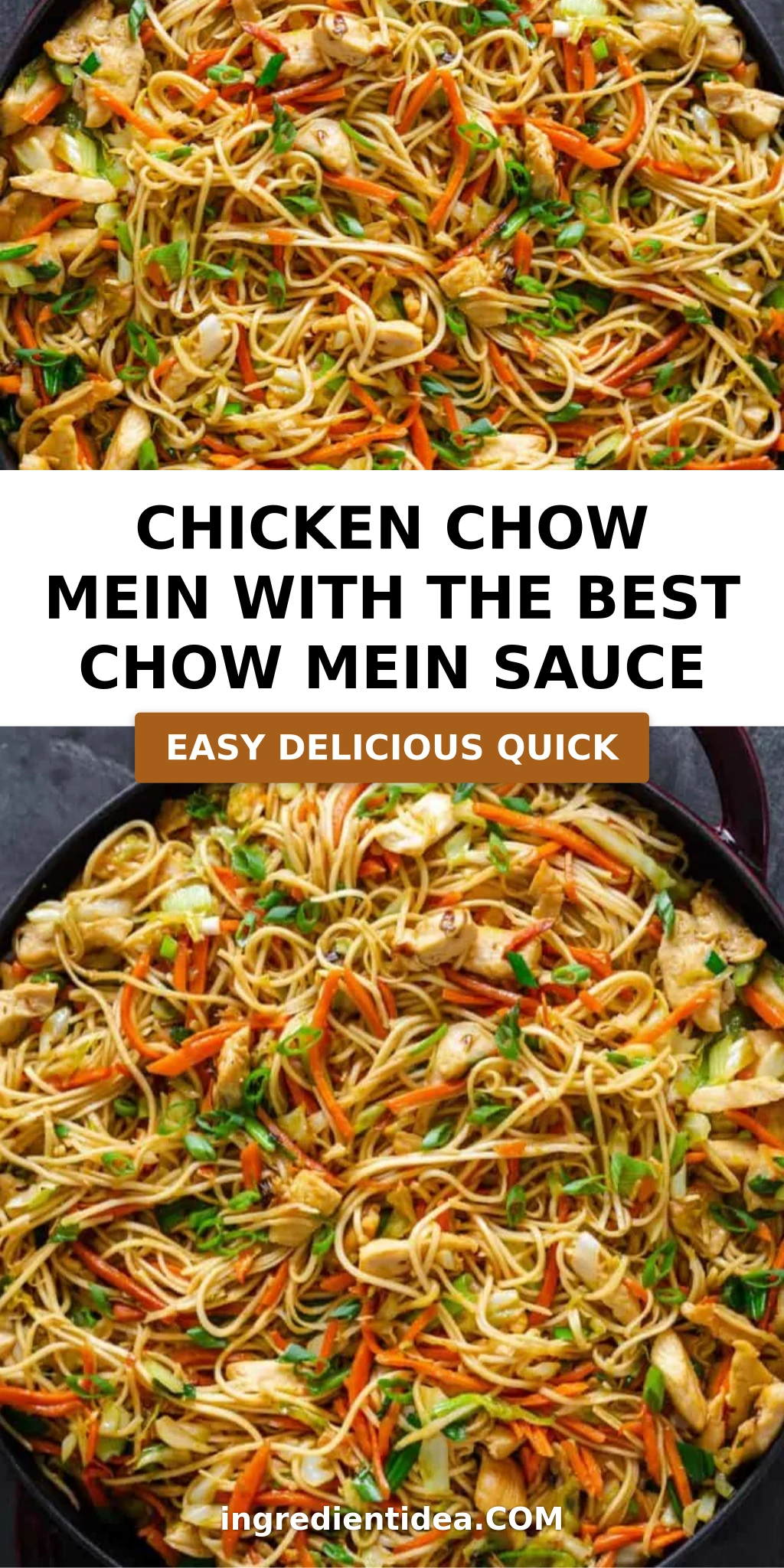
If you enjoyed this Chicken Chow Mein with the Best Chow Mein Sauce recipe, don’t let it get lost in your browser tabs! 😄 Pin it now so you can find it again anytime — and explore hundreds more tried-and-tested recipes waiting for you on my Pinterest boards.
👉 Follow Lora on Pinterest @ingredientidea📌 Pin this recipe · 🔁 Re-pin your favorites · 💬 Tag me when you make it — I love seeing your creations!
⭐️ ⭐️ ⭐️ ⭐️ ⭐️ Did you make this chicken chow mein? I would love to hear how it turned out! Leave a star rating and comment below — your feedback helps me create more recipes you will love. — Lora 🧡
Chicken Chow Mein with the Best Chow Mein Sauce
Chicken chow mein is so much better than takeout! It is filled with chicken, veggies, classic chow mein noodles and the best homemade chow mein sauce. You will love this one pan dinner!
Ingredients
- 1 lb chicken breast (boneless, skinless)
- 3 Tbsp oil
- 12 oz chow mein noodles ((uncooked noodles))
- 2 cups cabbage
- 1 large carrot (julienned)
- 1/2 batch green onions
- 2 garlic cloves
- 4 Tbsp oyster sauce (or added to taste*)
- 3 Tbsp low sodium soy sauce
- 3 Tbsp light sesame oil ((not toasted))
- 1/2 cup chicken broth
- 1 Tbsp corn starch
- 1 Tbsp granulated sugar
Instructions
- In a small mixing bowl, use a whisk to combine oyster sauce, granulated sugar, sesame oil, soy sauce, chicken broth and cornstarch. Set aside.
- Cook your noodles according to package instructions then drain, rinse with cold water and set aside.
- Heat a large wok or pan with olive oil over medium-heat. Cut your chicken breasts into bite-sized strips and cook them in the oil until golden brown. Remove strips and set aside.
- Add carrots, cabbage and pressed garlic and saute for a few minutes until veggies are slightly softened and the cabbage is a bit translucent.
- Add chicken and noodles back into the pan. Pour sauce over the top and continue cooking all the ingredients together for another 2 minutes.
- Garnish your chow mein with chopped green onions and serve the noodles straight from the pan and piping hot!
Nutrition
- Calories: 340 kcal
- Sugar: 3 g
- Fat: 13 g
- Carbohydrates: 36 g
- Protein: 19 g
Tried This Recipe? Leave a Comment!
Did you make this recipe? I’d love to hear how it turned out! Please leave a comment and a rating below. Your feedback helps other home cooks and supports cheerychop.com!
For more delicious inspiration, follow me on Pinterest!