Table of Contents
Easy Louisiana Remoulade Sauce Recipe – Spicy Creole Dip in Minutes

Growing up in Morocco, my mother’s kitchen was a symphony of bold flavors – harissa, preserved lemons, and cumin that could wake up any dish. When I moved to Paris for culinary school, I learned the precision of French sauces, but something was always missing: that fiery, unapologetic kick I craved. Then I landed in New York City and discovered Louisiana remoulade sauce. It was love at first taste – a creamy, spicy Creole sauce that reminded me of home. This easy Louisiana remoulade sauce recipe brings together all that heritage: the boldness of North Africa, the technique of France, and the soul of the South. It’s the copycat Louisiana remoulade you’ve been searching for, and it takes just five minutes.
The first time I made this homemade remoulade for a backyard barbecue in Brooklyn, my neighbors devoured it with crab cakes and shrimp. I knew I had nailed it when one friend exclaimed, “This is exactly like the sauce from that po’ boy shop in New Orleans!” The secret lies in the balance – tangy whole grain mustard, sharp horseradish, and a hit of Creole seasoning that doesn’t overpower. The texture is luscious, thanks to real mayonnaise, and it coats everything from crispy fries to grilled chicken beautifully. I usually let it rest for half an hour to let the flavors marry – a trick I learned from my homemade mayonnaise recipe, where patience pays off.
This recipe is my go-to when I need a quick, impressive condiment. I’ve tested it with dozens of variations – from a smoky chipotle twist to a dairy-free version using vegan mayo – but the classic Louisiana remoulade sauce remains unbeatable. It’s a staple in my fridge, and I’ll walk you through every step so you can make it perfectly. 💡 Lora’s Pro Tip: Always start with room-temperature ingredients for the smoothest emulsion, and don’t skip the optional sugar – it rounds out the acidity beautifully. Avoid the common mistake of using smooth Dijon instead of whole grain mustard; the texture and punch are essential for an authentic Creole dipping sauce.
Why This Louisiana Remoulade Sauce Recipe Is the Best
The flavor secret of my Louisiana remoulade sauce lies in the combination of whole grain mustard and prepared horseradish. In Paris, I learned that mustard acts as a stabilizer and flavor carrier, while horseradish adds a distinctive heat that lingers without burning. My Moroccan mother always said “the best sauces have layers,” and this one has plenty – savory, tangy, spicy, and a whisper of sweetness. Unlike many recipes, I use a classic Creole seasoning blend (which you can make yourself with my Creole seasoning recipe) instead of salt plus cayenne; the inclusion of herbs like oregano and thyme makes the flavor more complex.
Perfected texture comes from the fat content of the mayo and the grit of the mustard seeds. I’ve tried low-fat mayo and it simply doesn’t work – the sauce turns watery and loses its cling. Stick with real, full-fat mayonnaise for a luxurious mouthfeel. The horseradish should be prepared (not fresh) for a consistent bite; if you grate your own, you’ll get volatile heat that fades quickly. I always give the sauce a vigorous whisk for a full minute to emulsify the ingredients properly.
Foolproof and fast – this easy remoulade sauce recipe is perfect for beginners. No cooking, no fancy equipment. Just a bowl and a whisk. I’ve made it with my nine-year-old niece, and she loves seeing how simple ingredients transform into something so delicious. It’s also incredibly forgiving: if you prefer a milder Louisiana remoulade sauce, reduce the horseradish and Creole seasoning; for extra heat, add a dash of cayenne. For a classic pairing, try it with my crab cake recipe – it’s a match made in heaven.
Louisiana Remoulade Sauce Ingredients
Every time I walk through the Union Square farmers market in NYC, I always stock up on fresh lemons and garlic for my remoulade. The quality of these staples matters – bright, fresh lemon juice and fragrant garlic make a difference. Here in Manhattan, I find whole grain mustard at any decent grocery store, and I swear by Duke’s mayonnaise for its tangy kick. Let me take you through the exact shopping list.
Ingredients List
- 2/3 cup real mayonnaise
- 4 tablespoons whole grain mustard
- 2 tablespoons prepared horseradish
- 1 tablespoon ketchup
- 2 teaspoons lemon juice (freshly squeezed if possible)
- 2 teaspoons dried parsley
- 2 teaspoons dried snipped chives
- 2 teaspoons all purpose Creole seasoning
- 1 teaspoon minced garlic
- 1 teaspoon Worcestershire sauce
- 1/2 teaspoon sugar (optional, for balancing acidity)
Ingredient Spotlight
Each ingredient in this Louisiana remoulade sauce plays a critical role. Whole grain mustard provides texture and a mild heat; it’s different from Dijon because the seeds release flavor gradually. Prepared horseradish should be white and creamy – I prefer the refrigerated kind for maximum heat. Creole seasoning is a mix of paprika, garlic powder, onion powder, cayenne, oregano, and thyme – make your own or use a good store brand like Tony Chachere’s. Mayonnaise is the backbone – use a neutral-oil mayo like Hellmann’s or Duke’s; avoid olive oil mayo as it can be too strong.
| Original Ingredient | Best Substitution | Flavor / Texture Impact |
|---|---|---|
| Real mayonnaise | Vegan mayonnaise (e.g., Just Mayo) | Slightly less rich, but still creamy; add 1/2 tsp Dijon for tang. |
| Whole grain mustard | Spicy brown mustard + 1 tsp poppy seeds | Similar heat, less texture; poppy seeds add crunch. |
| Prepared horseradish | Freshly grated horseradish root (soak in white vinegar first) | Much more pungent and volatile; use half the amount. |
| Creole seasoning | Paprika + garlic powder + onion powder + cayenne + dried thyme | Customizable heat; omit cayenne for mild version. |
| Dried parsley and chives | Fresh parsley + fresh chives (use 3x amount) | Brighter color, milder herb flavor; add just before serving. |
How to Make Louisiana Remoulade Sauce — Step-by-Step
Making this easy Louisiana remoulade sauce recipe is almost too simple: just whisk everything together! Follow these steps for perfect results every time.
Step 1: Combine the Wet Base
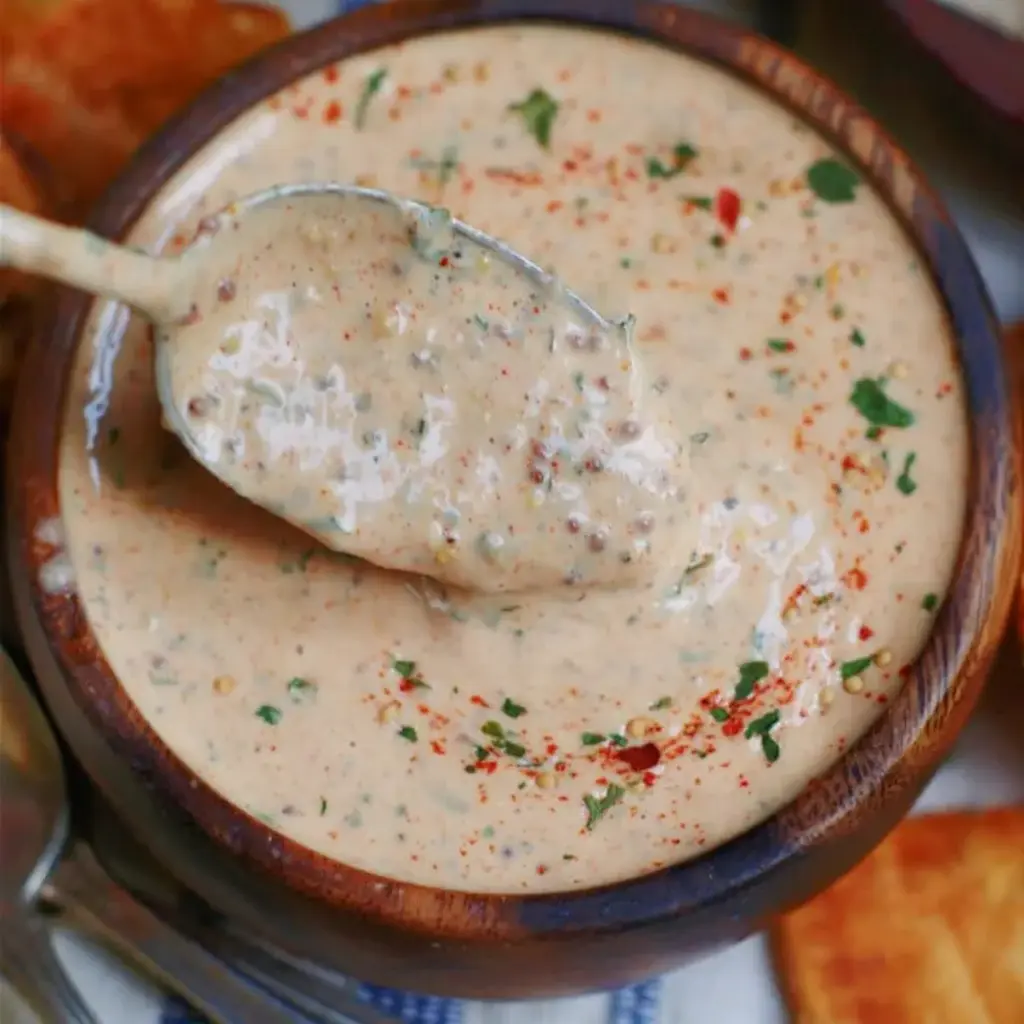
In a medium bowl or a large liquid measuring cup, add the mayonnaise, whole grain mustard, prepared horseradish, and ketchup. Whisk vigorously until completely smooth and uniform, about 30 seconds. The color should be a pale coral pink.
💡 Lora’s Pro Tip: If your ingredients are cold straight from the fridge, let them sit on the counter for 10 minutes. A uniform temperature helps the emulsion stay stable.
Step 2: Add the Aromatics and Seasonings
Add the lemon juice, dried parsley, dried chives, Creole seasoning, minced garlic, Worcestershire sauce, and sugar (if using). Whisk again until everything is fully incorporated. Taste it – you should feel a balanced burn on the tongue with a hint of sweetness.
⚠️ Common Mistake to Avoid: Adding all the seasoning at once without tasting. Start with the measured amounts; you can always add more salt or heat after resting.
Step 3: Rest and Serve
For optimal flavor, cover the bowl with plastic wrap and refrigerate for at least 30 minutes. This allows the dried herbs to rehydrate and the flavors to meld. Serve cold or at room temperature. The sauce will thicken slightly as it chills.
💡 Lora’s Pro Tip: If you’re in a rush, it’s still delicious immediately, but the resting step takes this homemade remoulade from good to outstandin.
| Step | Action | Duration | Key Visual Cue |
|---|---|---|---|
| 1 | Whisk base ingredients | 30 sec | Smooth, pale coral color |
| 2 | Add seasonings and whisk | 30 sec | Herbs evenly distributed |
| 3 | Refrigerate and rest | 30–60 min | Slightly thickened, flavors melded |
Serving & Presentation
This Louisiana remoulade sauce is incredibly versatile. I love to serve it with classic Southern fare – spoon it over crispy fried catfish, dollop it onto juicy burgers, or use it as a dip for hushpuppies and sweet potato fries. In my NYC apartment, I often set out a bowl alongside a platter of grilled shrimp skewers, and it disappears within minutes. For a touch of Parisian elegance, drizzle it over a composed salad of mixed greens, avocado, and seared scallops.
Garnishing makes a difference: a sprinkle of fresh chives or a pinch of smoked paprika on top adds visual appeal. I remember my mother in Morocco always saying “we eat with our eyes first,” and a vibrant bowl of this spicy Creole sauce against white porcelain is stunning. If you’re serving it with crab cakes, which I highly recommend, try my crab cake recipe for the perfect pairing.
| Pairing Type | Suggestions | Why It Works |
|---|---|---|
| Side Dish | Roasted okra, collard greens, sweet potato wedges | Creamy sauce cuts the bitterness of greens, complements earthy vegetables. |
| Sauce / Dip | Crab cakes, fried shrimp, po’ boys, onion rings | Classic Creole pairing; remoulade for crab cakes is a must-try! |
| Beverage | Iced tea with lemon, pale ale, Sazerac cocktail | Acidity and spice match well with citrusy, hoppy, or herbal drinks. |
| Garnish | Fresh chives, smoked paprika, lemon zest | Adds color, aroma, and a hint of freshness. |
Make-Ahead, Storage & Reheating
As a busy cook in Manhattan, I love that this Louisiana remoulade sauce keeps beautifully. I often make a double batch on Sunday to use throughout the week. It’s perfect for meal prep – layer it in the fridge with other condiments and grab it when needed.
| Method | Container | Duration | Reheating Tip |
|---|---|---|---|
| Refrigerator | Airtight glass jar or container | Up to 2 weeks | Serve cold; no reheating needed |
| Freezer | Freezer-safe zip bag or container | Up to 3 months | Thaw overnight in fridge; whisk before serving |
| Make-Ahead | Same as refrigerator | Up to 5 days in advance | Best flavor after 24-hour rest |
A few notes from my experience: The sauce will separate slightly if stored for a long time – just give it a good stir. Never freeze it in a glass container with a tight lid, as expansion can crack the glass. If you want to thin it out after refrigeration, add a teaspoon of buttermilk or lemon juice and whisk.
Variations & Easy Swaps
| Variation | Key Change | Best For | Difficulty Impact |
|---|---|---|---|
| Smoky Chipotle Remoulade | Add 1 chipotle in adobo (finely minced) + 1 tsp adobo sauce | Burgers, tacos, grilled steak | Easy |
| Dairy-Free Vegan Remoulade | Use vegan mayo + 1 tsp apple cider vinegar | Vegan diets, dairy allergies | Easy |
| Moroccan Harissa Remoulade | Replace Creole seasoning with 2 tsp harissa paste, reduce horseradish to 1 tbsp | Grilled lamb, roasted vegetables, couscous | Medium (harissa varies in heat) |
Smoky Chipotle Remoulade
This variation is inspired by my love for Mexican cuisine, which I often explore at the Union Square Greenmarket. The chipotle adds deep smokiness and a fruity heat that transforms this Louisiana remoulade sauce into a fantastic partner for grilled meats. I use it on pulled pork sandwiches and fish tacos. The adobo sauce also lends a slight sweetness, so you may want to reduce the sugar to just 1/4 teaspoon.
Dairy-Free Vegan Remoulade
For my friends with dietary restrictions, I swapped the mayonnaise for a high-quality vegan one (like Just Mayo) and added a splash of apple cider vinegar to mimic the tanginess of egg-based mayo. The texture remains lush, though it’s slightly less stable after a few days. This version works wonderfully as a Creole dipping sauce for vegetable fritters or crispy tofu. Pair it with a southern side dish like roasted okra for a plant-based feast.
Moroccan Harissa Remoulade
Here I blend my North African roots with this Creole classic. Harissa paste – a fiery blend of roasted red peppers, cumin, coriander, and chili – replaces the Creole seasoning. The result is a spicy, aromatic sauce that pairs beautifully with lamb kofta, grilled eggplant, or as a spread on a Moroccan baguette. It’s a fun twist that reminds me of my mother’s kitchen in Casablanca. If you’ve never made harissa from scratch, I suggest starting with a tube from the grocery store to test the heat level.
What is Louisiana remoulade sauce made of?
Louisiana remoulade sauce is traditionally made from a mayonnaise base combined with whole grain mustard, prepared horseradish, ketchup, lemon juice, garlic, Worcestershire sauce, and a blend of Creole seasonings such as paprika, cayenne, thyme, and oregano. Dried herbs like parsley and chives are often added for color and flavor. Some variations include a touch of sugar to balance acidity. It’s a creamy, tangy, and mildly spicy sauce that’s a staple in New Orleans cuisine, used as a dip for seafood, fries, and vegetables.
What is the difference between remoulade and tartar sauce?
While both remoulade and tartar sauce are mayonnaise-based condiments, they differ significantly in flavor and ingredients. Traditional tartar sauce is typically made with mayonnaise, pickles (or relish), capers, and sometimes lemon juice – it’s tangy and mild. Remoulade, especially Louisiana-style, is much bolder: it includes mustard, horseradish, Creole seasoning, and often ketchup, giving it a spicier, more complex profile. The texture also differs – remoulade often has visible mustard seeds and herbs, while tartar sauce is smoother. If you’re looking for heat and Creole flair, choose remoulade.
How long does homemade remoulade sauce last in the fridge?
Homemade Louisiana remoulade sauce will keep well in the refrigerator for up to two weeks when stored in an airtight container. The acidity from the lemon juice and vinegar in the mustard acts as a natural preservative. However, the flavor is best within the first week. After that, the herbs may start to lose their vibrancy, and the garlic flavor can intensify. Always stir the sauce before using, as some separation may occur. If you notice any mold, off odors, or a sour taste, discard it immediately.
Can you freeze remoulade sauce?
Yes, you can freeze Louisiana remoulade sauce, but the texture may change slightly after thawing. Because the sauce is mayonnaise-based, freezing can cause the emulsion to break, resulting in a slightly curdled appearance. To minimize this, freeze the sauce in a freezer-safe bag or container, removing as much air as possible. Thaw it overnight in the refrigerator and then whisk it vigorously to re-emulsify. Use the thawed sauce within 3–4 days. I generally recommend making fresh remoulade for the best texture, but freezing is fine for quick meals.
What do you eat remoulade sauce with?
Louisiana remoulade sauce is incredibly versatile and pairs well with a wide range of foods. Classic pairings include fried seafood like shrimp, catfish, and oysters, as well as crab cakes (it’s practically mandatory there). It’s also fantastic on po’ boys, burgers, hot dogs, and grilled chicken. For a lighter option, use it as a dip for raw veggies, sweet potato fries, or as a dressing for a crunchy coleslaw. Many home cooks also love it as a spread for sandwiches or as a base for a remoulade potato salad.
Is remoulade sauce spicy?
The spiciness of Louisiana remoulade sauce can vary based on the recipe, but it is generally considered mildly spicy with a pleasant heat. The primary sources of heat are prepared horseradish and the cayenne pepper in Creole seasoning. In this easy remoulade sauce recipe, the spice level is moderate – enough to be noticeable but not overwhelming. If you prefer a hotter sauce, you can add extra horseradish, cayenne, or even some hot sauce. For a milder version, reduce the horseradish and use a gentle Creole seasoning blend.
What is Creole remoulade?
Creole remoulade is a specific style of remoulade sauce that originates from Louisiana Creole cuisine. It is distinguished by the use of Creole seasonings – a blend of paprika, garlic powder, onion powder, cayenne, thyme, and oregano – which give it a distinctive reddish color and a complex, slightly earthy flavor. Unlike French remoulade, which often uses capers and cornichons, Creole remoulade relies on horseradish and mustard for its kick. It’s a spicy, creamy sauce that embodies the bold flavors of New Orleans cooking and is commonly served with seafood.
Can I make remoulade without mayonnaise?
Yes, you can make a mayonnaise-free version of Louisiana remoulade sauce by using a base of Greek yogurt, sour cream, or even a mashed avocado for creaminess. Keep in mind that the flavor and texture will be different – the result will be lighter and tangier, but still delicious. To mimic the richness of the original, add a teaspoon of Dijon mustard and a little olive oil. This variation is a great option for those avoiding eggs or looking to reduce calories. Just note that the shelf life is shorter (about 4–5 days) and it may not freeze well.
Share Your Version!
I’d love to see how you use this Louisiana remoulade sauce in your kitchen! Have you tried it with crab cakes, fried chicken, or maybe a twist of your own? Drop a star rating and share your thoughts in the comments below – your feedback helps other readers too. And if you snap a photo, tag @ingredientidea on Instagram or Pinterest – I always share my favorites in my stories. For more delicious recipes like this, check out our collection of copycat recipes that bring restaurant favorites home.
What’s your favorite way to serve a spicy Creole sauce? Let me know in the comments – I’m always looking for new inspiration! From my NYC kitchen to yours – I hope this recipe brings as much warmth to your table as it does to mine. — Lora 🧡
Love This Recipe? Save It to Pinterest!
If you enjoyed this Louisiana Remoulade Sauce recipe, don’t let it get lost in your browser tabs! 😄 Pin it now so you can find it again anytime — and explore hundreds more tried-and-tested recipes waiting for you on my Pinterest boards.
👉 Follow Lora on Pinterest @ingredientidea📌 Pin this recipe · 🔁 Re-pin your favorites · 💬 Tag me when you make it — I love seeing your creations!
Louisiana Remoulade Sauce

Makes about 1 1/3 C sauce. Easy Louisiana Remoulade Sauce is the perfect way to dress up your fish, crab cakes, burgers, veggies and more. This spicy, homemade mayo-based sauce has a little Creole kick and loads of Southern heart.
- Yield: about 1 1/3 cups 1x
- Method: Sauce
- Cuisine: Louisiana, Creole
Ingredients
- 2/3 cup real mayonnaise
- 4 tablespoons whole grain mustard
- 2 tablespoons prepared horseradish
- 1 tablespoon ketchup
- 2 teaspoons lemon juice
- 2 teaspoons dried parsley
- 2 teaspoons dried snipped chives
- 2 teaspoons all purpose creole seasoning
- 1 teaspoon minced garlic
- 1 teaspoon Worcestershire sauce
- 1/2 teaspoon sugar (optional)
Instructions
- In a small bowl or large measuring, whisk all ingredients together and serve! For more flavor, cover and store in the refrigerator for 30 minutes – 1 hour before serving.

Tried This Recipe? Leave a Comment!
Did you make this recipe? I’d love to hear how it turned out! Please leave a comment and a rating below. Your feedback helps other home cooks and supports cheerychop.com!
For more delicious inspiration, follow me on Pinterest!