
Table of Contents
Easy Louisiana Remoulade Sauce Recipe – Spicy & Creamy Southern Classic

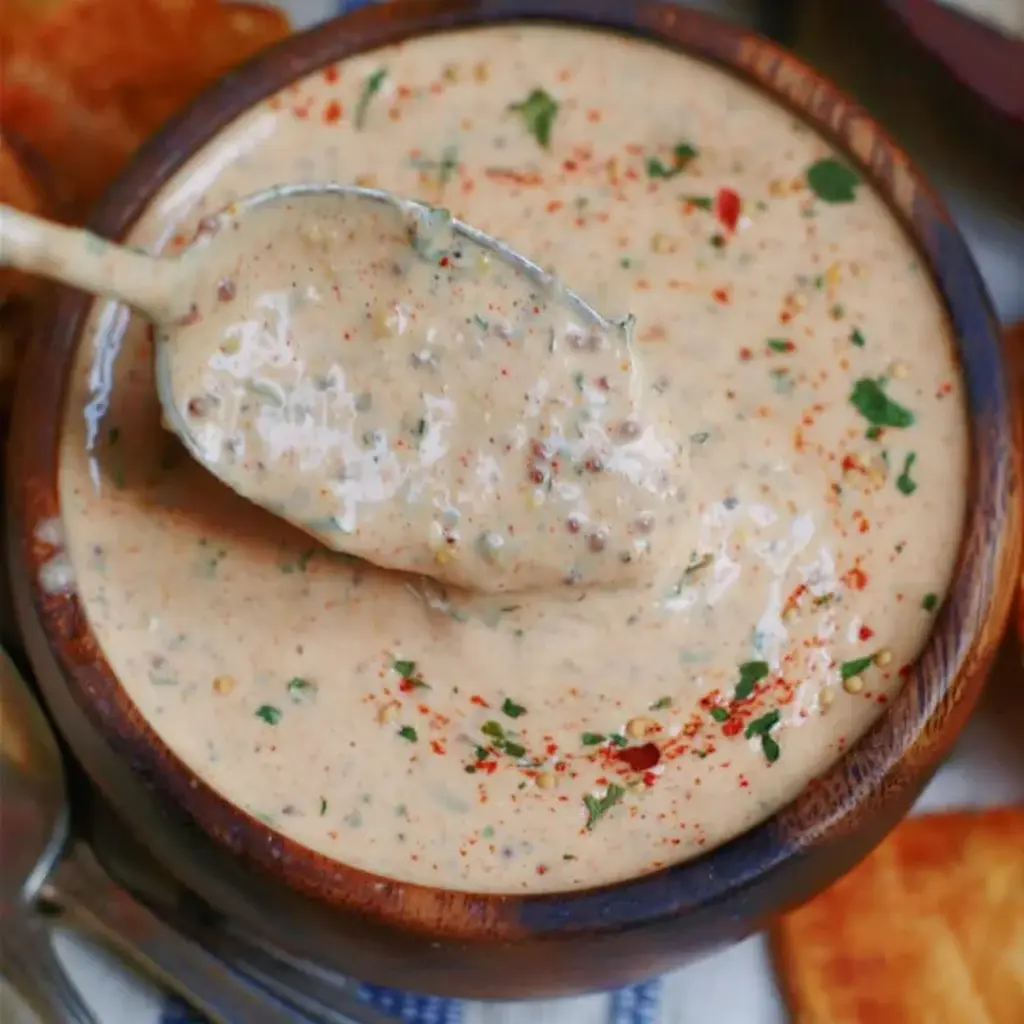
This easy Louisiana remoulade sauce recipe is a spicy Creole-style homemade sauce perfect for crab cakes and seafood—better than store-bought and ready in 5 minutes! I first discovered the magic of a great remoulade sauce recipe while working at a tiny bistro near Union Square in New York City. The chef there, a Louisiana native, would whip up his signature remoulade sauce every morning and it disappeared by lunch. Every time I tasted that creamy, peppery, horseradish-laced spoonful, I felt transported to the French Quarter. This easy remoulade sauce became my mission to recreate—and after many batches, I landed on a version that balances tang, heat, and richness just right. Whether you need a remoulade sauce for crab cakes, fried fish, po’ boy sandwiches, or even roasted vegetables, this recipe delivers that authentic Louisiana remoulade flavor with zero fuss.
The aroma hits you first—pungent horseradish and garlic mingle with the bright, acidic snap of lemon juice and Worcestershire sauce. Then comes the color: a warm coral-pink blush from the ketchup and paprika in the Creole seasoning, swirled through creamy mayonnaise and speckled with whole-grain mustard seeds. The texture is luxurious yet spoonable, clinging beautifully to a crispy crab cake or drizzling over grilled fish. I love how the Creole remoulade sauce has this layered heat—it builds slowly from the cayenne and paprika, never overwhelming, just enough to wake up your palate. A touch of sugar (optional, but I always add it) rounds out the sharp edges, making this spicy remoulade sauce taste balanced and deeply satisfying. Honestly, once you taste homemade remoulade, you’ll never go back to the jarred stuff.
What sets this Creole remoulade sauce apart is my French-trained approach to building flavor in layers. I learned in Paris that the best sauces come from balancing acid, fat, salt, and heat—and this recipe does exactly that. The whole-grain mustard adds texture and a mellow heat, while the horseradish brings that sinus-clearing kick that defines New Orleans-style remoulade. I also insist on using real mayonnaise, not salad dressing, for the right creamy body. For those wondering about remoulade vs tartar sauce, the difference is clear: remoulade has mustard, horseradish, and Creole seasoning, giving it far more personality. This quick remoulade sauce also happens to be gluten-free and keto-friendly, so everyone can enjoy it. For more Southern-inspired staples, check out our Cajun and Creole recipes or explore our sauce and dressing recipes for more kitchen inspiration.
Why This Louisiana Remoulade Sauce Recipe Is the Best
The Flavor Secret: This remoulade sauce recipe gets its bold personality from a double hit of mustard—whole-grain for texture and Dijon-style sharpness—plus prepared horseradish that delivers that classic Louisiana remoulade burn. Growing up in Morocco, my mother taught me that the best sauces have a story in every spoonful. She would layer spices slowly, letting each one speak before the next joined in. I apply that same philosophy here: the Creole seasoning (a blend of paprika, cayenne, garlic powder, oregano, and thyme) gets whisked in gradually so every grain blooms. Add a squeeze of lemon juice and a dash of Worcestershire sauce, and you’ve got an easy remoulade sauce that tastes like it simmered for hours—even though it comes together in minutes. This homemade remoulade has that hard-to-pin-down je ne sais quoi that makes people ask, “What’s in this?”
Perfected Texture: The key to a great remoulade dressing is achieving the ideal consistency—thick enough to coat the back of a spoon but loose enough to drizzle. I achieve this by first whisking the mayonnaise alone to loosen it, then adding the mustard, horseradish, and ketchup one at a time, fully incorporating each before the next. This emulsification technique, straight from my Paris culinary training, ensures a silky-smooth result with no lumps. The dried parsley and chives rehydrate slightly as the sauce rests, adding tiny flecks of herb that look beautiful against the coral-pink base. Letting this New Orleans remoulade chill for even 30 minutes transforms the texture completely—the flavors marry, the herbs soften, and the sauce becomes luxuriously cohesive. For the best texture, always use full-fat mayonnaise; light versions contain too much water and will make your remoulade sauce recipe thin and sad.
Foolproof & Fast: I’ve tested this spicy remoulade sauce recipe more times than I can count, and it works every single time because there’s no cooking involved. No heat, no timing, no chance of breaking or curdling. Just measure, whisk, and serve. That’s why I call it a quick remoulade sauce—it’s genuinely ready in the time it takes to toast a bun or fry an egg. If you’re new to making sauces at home, this is the perfect starting point. You can adjust the heat level by adding more or less Creole seasoning, or even a dash of cayenne pepper if you’re feeling bold. This remoulade for seafood is also endlessly forgiving: too thick? Add a squeeze more lemon juice. Too thin? Whisk in an extra tablespoon of mayo. No stress, just delicious results. For more easy crowd-pleasers, check out our easy appetizer recipes.
Remoulade Sauce Recipe Ingredients
Every ingredient in this Louisiana remoulade recipe plays a specific role, and I want you to feel confident choosing each one. When I shop for these ingredients at my local farmers market in Brooklyn, I always look for the freshest horseradish and the best-quality mayonnaise—it truly makes a difference. Let me walk you through what you’ll need and why each component matters in this Creole remoulade sauce.
Ingredients List
- 2/3 cup real mayonnaise (full-fat, not salad dressing)
- 4 tablespoons whole grain mustard
- 2 tablespoons prepared horseradish (drained slightly if very wet)
- 1 tablespoon ketchup
- 2 teaspoons lemon juice (freshly squeezed)
- 2 teaspoons dried parsley
- 2 teaspoons dried snipped chives
- 2 teaspoons all-purpose Creole seasoning (see note below)
- 1 teaspoon minced garlic (fresh, not jarred)
- 1 teaspoon Worcestershire sauce
- 1/2 teaspoon sugar (optional, but recommended to balance acidity)
Ingredient Spotlight
Mayonnaise: The backbone of this remoulade sauce recipe, mayonnaise provides the creamy base that carries all the bold flavors. I recommend Duke’s or Hellmann’s for their rich, tangy profile. Avoid Miracle Whip or other sweetened salad dressings—they contain added sugar and starch that throw off the balance. If you’re dairy-free, rest assured that most quality mayos are already dairy-free, making this a naturally keto-friendly remoulade sauce.
Whole Grain Mustard: This gives the sauce its signature texture and a mellow, tangy heat that builds gradually. I love the pop of mustard seeds against the smooth mayonnaise. If you only have smooth Dijon mustard, it will work, but you’ll lose some of the visual appeal and textural contrast. For a more pronounced mustard flavor, add an extra tablespoon of whole-grain. This is what truly sets remoulade vs tartar sauce apart—tartar sauce relies on chopped pickles, while remoulade gets its punch from mustard and horseradish.
Prepared Horseradish: The soul of Louisiana remoulade, prepared horseradish delivers that sharp, sinus-clearing heat that makes this sauce unforgettable. Look for refrigerated prepared horseradish in the dairy or deli section—not the shelf-stable cream-style version, which has a milder flavor. Drain off any excess liquid before measuring to avoid thinning your sauce. This ingredient is what gives this Creole remoulade sauce its distinctive kick and makes it perfect as a remoulade dressing for fried green tomatoes, shrimp, and oysters.
Creole Seasoning: This spice blend is the heart of any authentic New Orleans remoulade. You can use a store-bought blend like Tony Chachere’s or Zatarain’s, or make your own with paprika, garlic powder, onion powder, cayenne, oregano, thyme, and black pepper. I make a large batch of my own Creole seasoning and keep it in a jar—it’s wonderful on everything from roasted chicken to gumbo. The paprika in the blend gives the sauce that beautiful pink hue and a subtle sweetness that balances the heat.
| Original Ingredient | Best Substitution | Flavor / Texture Impact |
|---|---|---|
| Whole grain mustard | Smooth Dijon mustard | Less texture, slightly sharper heat, same tangy flavor |
| Prepared horseradish | Freshly grated horseradish + 1 tsp vinegar | More pungent, less creamy, needs straining |
| Creole seasoning | Paprika + garlic powder + cayenne + oregano | Customizable heat, same warm spice profile |
| Mayonnaise | Greek yogurt or sour cream (for lighter version) | Tangier, less rich, thinner consistency |
| Worcestershire sauce | Soy sauce + splash of vinegar | Less complex but still savory and umami-rich |
How to Make Louisiana Remoulade Sauce — Step-by-Step
I promise you, this is the easiest remoulade sauce recipe you’ll ever make. No stove, no stirring over heat, no complicated techniques. Just a bowl, a whisk, and five minutes of your time. Let me walk you through each step with the tips I’ve learned from making this for years.
Step 1: Whisk the Base
In a medium mixing bowl or a large glass measuring cup, add 2/3 cup of real mayonnaise. Whisk it gently for about 15 seconds to loosen and aerate it slightly. This small step ensures the other ingredients incorporate smoothly without overworking the emulsion. The mayonnaise should look creamy and uniform before you add anything else.
💡 Lora’s Pro Tip: Use a glass measuring cup with a spout for easy pouring later. The spout makes it mess-free when you’re drizzling this remoulade sauce over crab cakes or drizzling into a po’ boy sandwich.
Step 2: Add the Aromatics
Add 4 tablespoons whole grain mustard, 2 tablespoons prepared horseradish, and 1 tablespoon ketchup to the mayonnaise. Whisk until fully combined and the color turns a uniform pale coral. The horseradish should be evenly distributed—no white streaks remaining. This combination of mustard and horseradish is what gives this Louisiana remoulade its signature punch.
⚠️ Common Mistake to Avoid: Adding all the ingredients at once and whisking lazily. You’ll end up with pockets of unincorporated mustard or horseradish. Add each ingredient one at a time and whisk thoroughly between each addition for a perfectly homogenous remoulade sauce recipe.
Step 3: Season and Finish
Add 2 teaspoons Creole seasoning, 2 teaspoons dried parsley, 2 teaspoons dried snipped chives, 1 teaspoon minced garlic, 1 teaspoon Worcestershire sauce, 2 teaspoons lemon juice, and the optional 1/2 teaspoon sugar. Whisk vigorously until every speck of seasoning is incorporated and the sauce is smooth. Taste and adjust—add more Creole seasoning for extra heat, more lemon juice for brightness, or a pinch more sugar if it tastes too sharp. This is your spicy remoulade sauce, so make it your own.
💡 Lora’s Pro Tip: For the best flavor, cover the bowl and refrigerate for at least 30 minutes before serving. This allows the dried herbs to rehydrate and the flavors to meld. Overnight is even better—the sauce develops a deeper, more complex personality that tastes like it came from a New Orleans kitchen.
Step 4: Serve or Store
Transfer the remoulade dressing to a serving bowl or an airtight container. If serving immediately, drizzle over crispy crab cakes, fried shrimp, grilled fish, or use as a dip for roasted vegetables. If storing, seal tightly and refrigerate. This easy remoulade sauce keeps beautifully for up to 7 days, making it perfect for meal prep. The flavors only get better as they sit, so don’t be afraid to make a double batch.
| Step | Action | Duration | Key Visual Cue |
|---|---|---|---|
| 1 | Whisk mayonnaise alone | 15 seconds | Smooth, aerated, no lumps |
| 2 | Add mustard, horseradish, ketchup | 30 seconds | Uniform pale coral color |
| 3 | Add seasonings and acid | 30 seconds | Herbs evenly dispersed, color deepens |
| 4 | Chill before serving | 30 min – overnight | Thickened, flavors melded |
Serving & Presentation
This remoulade for seafood is incredibly versatile—I’ve dolloped it on everything from crispy catfish to roasted sweet potato wedges. In my NYC kitchen, I love serving it with a platter of golden crab cakes, a pile of fried green tomatoes, or alongside grilled shrimp skewers at summer gatherings. The sauce’s creamy, spicy personality complements both hot and cold dishes, making it a year-round staple. For a classic New Orleans-style presentation, drizzle the remoulade dressing over crispy fried oysters on a bed of shredded lettuce, or spread it generously on a po’ boy sandwich stuffed with fried shrimp or catfish.
When I entertain, I like to serve this Louisiana remoulade in a small ceramic bowl placed in the center of a large platter surrounded by dippers: crunchy celery sticks, radish slices, blanched asparagus, and grilled bread. The coral-pink color is so beautiful against fresh green vegetables. I also love using this spicy remoulade sauce as a dressing for a cold shrimp salad—just toss cooked shrimp with diced celery, red onion, and a generous amount of remoulade, then serve over butter lettuce. It’s a refreshing, protein-packed lunch that feels special enough for company. For more seafood inspiration, browse our seafood recipes collection.
A sprinkle of extra chopped chives or a pinch of smoked paprika on top before serving adds a gorgeous finishing touch. If you’re feeling fancy, a thin drizzle of remoulade over grilled fish with a side of lemon wedges and pickled okra makes a stunning plate. This homemade remoulade also works beautifully as a dip for crispy oven-baked fries or as a spread for turkey burgers. Honestly, once you start using this Creole remoulade sauce, you’ll find yourself reaching for it again and again.
| Pairing Type | Suggestions | Why It Works |
|---|---|---|
| Seafood | Crab cakes, fried shrimp, grilled fish, oysters | The tangy heat cuts through rich, briny flavors |
| Sandwiches | Po’ boys, turkey burgers, fried chicken sandwiches | Adds moisture and a spicy kick to every bite |
| Vegetables | Roasted sweet potatoes, grilled asparagus, celery sticks | Creamy sauce balances earthy, charred veggies |
| Garnish | Chopped chives, smoked paprika, lemon wedges, pickled okra | Adds color, freshness, and visual appeal |
Make-Ahead, Storage & Reheating
One of the best things about this remoulade sauce recipe is how well it keeps. I often make a double batch on Sunday and use it throughout the week for quick lunches, dips, and dinner toppings. Living in NYC means my schedule is always full, so having a flavorful sauce ready to go is a lifesaver. The flavors actually deepen and improve after a day or two in the fridge, so this is a perfect make-ahead recipe for entertaining.
| Method | Container | Duration | Reheating Tip |
|---|---|---|---|
| Refrigerator | Airtight glass jar or container | Up to 7 days | Serve cold or at room temp—no reheating needed |
| Freezer | Freezer-safe jar or zip-top bag | Up to 3 months | Thaw overnight in fridge, whisk to re-emulsify |
| Make-Ahead | Airtight container | Up to 3 days in advance | Stir before serving; add a splash of lemon if needed |
A quick note on freezing: while this easy remoulade sauce freezes surprisingly well, the texture can change slightly due to the mayonnaise base. After thawing, give it a good whisk with a fork to bring it back together. If it seems separated, add a teaspoon of lemon juice and whisk vigorously. I’ve frozen this spicy remoulade sauce for up to three months and it’s still delicious—just don’t expect it to look exactly the same as fresh. For best results, make it fresh if you’re serving it at a special gathering.
One more storage tip: always use a clean, dry spoon when scooping out the sauce. Introducing moisture or food particles can shorten its shelf life. Keep the container tightly sealed, and your Creole remoulade sauce will stay fresh and flavorful for up to a week. I love knowing I have this New Orleans remoulade ready to go in the fridge—it turns even a simple piece of grilled fish into something special.
Variations & Easy Swaps
This Louisiana remoulade recipe is wonderfully adaptable, so feel free to play with the ingredients to suit your taste or what you have in your pantry. Here are some of my favorite variations, each tested in my own kitchen. For more copycat-style recipes, check out our copycat recipes collection.
| Variation | Key Change | Best For | Difficulty Impact |
|---|---|---|---|
| Extra Spicy | Add 1 tsp cayenne + extra horseradish | Heat lovers, bold seafood dishes | Easy (no extra steps) |
| Smoky Remoulade | Add 1 tsp smoked paprika + chipotle | Grilled meats, burgers, roasted veggies | Easy (just add spices) |
| Herb & Lemon | Double lemon juice + add fresh dill and tarragon | Light fish, salads, spring vegetables | Easy (extra chopping) |
Extra Spicy Remoulade
For those who crave serious heat, this variation is a game-changer. Add an additional teaspoon of Creole seasoning (or a full teaspoon of cayenne pepper if you dare) and increase the horseradish to 3 tablespoons. I like to add a dash of Louisiana hot sauce for that authentic, vinegary kick that defines Tabasco-based southern cooking. The result is a spicy remoulade sauce that will wake up every taste bud—perfect for grilled fish, fried chicken, or as a dip for raw oysters. Just remember to warn your guests before they dig in!
Creamy Avocado Remoulade
This twist is inspired by the rich, buttery avocados I find at my NYC farmers market in summer. Replace half the mayonnaise with 1/4 cup mashed ripe avocado (about half a medium avocado). Whisk it in gently until fully incorporated. The avocado adds a beautiful green tint and a silky, nutrient-rich creaminess that pairs beautifully with the tangy mustard and horseradish. This variation is still gluten-free and keto-friendly, and it’s especially lovely as a remoulade dressing for shrimp tacos or as a spread for turkey burgers.
Smoky Chipotle Remoulade
For a deeper, smokier flavor profile, add 1-2 teaspoons of smoked paprika and 1 chipotle pepper in adobo sauce (minced finely). The chipotle brings a subtle, smoky heat that complements grilled and barbecued dishes beautifully. I love this version with pulled pork sandwiches, grilled corn on the cob, or as a dipping sauce for sweet potato fries. It transforms this easy remoulade sauce into something entirely new—still recognizably remoulade, but with a Southwestern accent. Add a little of the adobo sauce from the can for extra depth and a gorgeous rust-red color.
Frequently Asked Questions
What is remoulade sauce made of?
Remoulade sauce is a creamy, flavorful condiment typically made with a mayonnaise base, mustard, and various seasonings. In this Louisiana remoulade sauce recipe, the core ingredients include mayonnaise, whole grain mustard, prepared horseradish, ketchup, lemon juice, garlic, Worcestershire sauce, and Creole seasoning. Dried herbs like parsley and chives add color and freshness. The combination delivers a tangy, spicy, and slightly sweet profile that sets remoulade apart from simple mayonnaise-based sauces. Variations exist across cuisines, but the French and Creole versions are the most well-known. This remoulade sauce recipe follows the Creole tradition, emphasizing bold spices and a creamy texture that clings beautifully to seafood and vegetables.
What is the difference between rémoulade and tartar sauce?
The main difference between remoulade and tartar sauce lies in their ingredient profiles and flavor intensity. Tartar sauce is typically made with mayonnaise, chopped pickles or relish, lemon juice, and sometimes capers or herbs—it’s tangy and bright but relatively mild. Remoulade, especially in the Louisiana Creole tradition, is far more robust: it includes mustard (often whole grain), prepared horseradish, garlic, Worcestershire sauce, and a blend of spices like paprika and cayenne. This makes remoulade spicier, more complex, and bolder than tartar sauce. While tartar sauce is a classic companion for fried fish, this spicy remoulade sauce recipe elevates everything it touches with its layered heat and creamy texture. If you love remoulade vs tartar sauce debates, the short answer is: remoulade packs a punch, tartar sauce keeps it subtle.
How long does homemade remoulade sauce last in the fridge?
Homemade remoulade sauce lasts up to 7 days when stored properly in an airtight container in the refrigerator. Because this easy remoulade sauce recipe uses mayonnaise as its base, it’s important to keep it chilled at all times and never leave it out at room temperature for more than 2 hours. The acidity from the lemon juice, mustard, and Worcestershire sauce helps preserve the sauce, but it’s still a dairy-and-egg-based product that needs refrigeration. If you notice any separation, simply whisk it back together—a little lemon juice can help re-emulsify the texture. Always use a clean, dry spoon to scoop out the sauce to prevent introducing bacteria. If the sauce develops an off smell, mold, or changes in color, discard it immediately.
Can you freeze remoulade sauce?
Yes, you can freeze remoulade sauce for up to 3 months, though the texture may change slightly upon thawing. The mayonnaise base can separate during freezing due to its emulsion structure, but this is easily fixed. To freeze, transfer your Creole remoulade sauce to a freezer-safe airtight container or zip-top bag, removing as much air as possible. When ready to use, thaw it overnight in the refrigerator, then whisk vigorously to recombine. If the sauce looks grainy or separated, add a teaspoon of lemon juice and whisk well—it should come back together. While freezing is convenient, I recommend making this Louisiana remoulade recipe fresh for the best texture. If you’re meal-prepping, consider making the sauce up to 3 days ahead instead of freezing for optimal flavor and consistency.
What do you eat with remoulade sauce?
Remoulade sauce is incredibly versatile and pairs beautifully with a wide range of foods. It’s most famously served with seafood: crab cakes, fried shrimp, grilled fish, oysters, and even fish tacos. This remoulade for seafood also works wonderfully as a spread on po’ boy sandwiches, turkey burgers, and fried chicken sandwiches. Beyond seafood, it’s a fantastic dip for roasted or raw vegetables like sweet potato fries, celery sticks, radishes, and blanched asparagus. I also love using it as a dressing for cold shrimp salad or coleslaw, or drizzling it over grilled portobello mushrooms for a vegetarian option. In my NYC kitchen, I’ve even used this spicy remoulade sauce as a topping for baked potatoes and as a spread for breakfast sandwiches. The possibilities are endless—get creative!
Is remoulade sauce spicy?
Remoulade sauce can range from mildly tangy to quite spicy, depending on the recipe. This Louisiana remoulade sauce recipe has a moderate, approachable heat level thanks to Creole seasoning, which contains cayenne pepper and paprika, plus prepared horseradish that adds a pungent, sinus-clearing kick. The heat is balanced by the creamy mayonnaise and a touch of sugar, making it flavorful rather than overwhelming. If you prefer a milder sauce, reduce the Creole seasoning and horseradish by half. For those who love heat, this easy remoulade sauce can be easily turned into a spicy remoulade sauce by adding extra cayenne, hot sauce, or minced chipotle. The beauty of a homemade remoulade recipe is that you control the spice level—so whether you want a gentle warmth or a fiery punch, this recipe adapts to your preference.
What is a good substitute for remoulade sauce?
If you don’t have remoulade sauce on hand or want a quick alternative, several substitutes can work depending on the dish. For seafood, tartar sauce is the closest substitute, though it lacks the mustard and horseradish kick. A mix of mayonnaise, Dijon mustard, and a dash of hot sauce can mimic the tangy heat of remoulade in a pinch. Thousand Island dressing is another option—it’s creamy and slightly tangy, though sweeter than remoulade. For a dairy-free option, a blend of vegan mayonnaise, lemon juice, and Creole seasoning approximates the flavor. However, the best substitute is always this remoulade sauce recipe itself, which takes just 5 minutes to make. Once you taste the real thing, you’ll see why no store-bought substitute compares to the deep, layered flavor of homemade Louisiana remoulade.
How do you thicken remoulade sauce?
If your remoulade sauce is too thin, there are several easy ways to thicken it without compromising flavor. The simplest method is to whisk in an additional tablespoon of mayonnaise, which adds body and richness. Another option is to add a small amount of sour cream or Greek yogurt—about 1 to 2 tablespoons—which thickens the sauce while adding a pleasant tanginess. If you prefer a dairy-free approach, try adding a teaspoon of Dijon mustard or an extra teaspoon of Creole seasoning (the starch in the spices helps absorb excess moisture). For a very thin sauce, you can also blend in 1/2 teaspoon of fine cornstarch or arrowroot powder mixed with a teaspoon of lemon juice, then refrigerate for 15 minutes to allow it to set. Remember that this easy remoulade sauce will naturally thicken slightly as it chills, so always refrigerate before deciding if adjustments are needed.
Share Your Version!
I absolutely love hearing how this remoulade sauce recipe turns out in your kitchen. Did you make the extra spicy version? Drizzle it over crab cakes? Use it as a dressing for a cold shrimp salad? Drop a comment below and let me know—your feedback helps other readers discover new ways to enjoy this Louisiana remoulade. And if you found this recipe helpful, please consider leaving a 5-star rating—it means the world to me and helps more people find this Creole remoulade sauce.
Don’t forget to snap a photo of your creation and tag me on Instagram or Pinterest @ingredientidea. I love seeing your remoulade sauce for crab cakes, your po’ boy sandwiches slathered with homemade remoulade, or your creative spins on this classic. Whether you’re a seasoned cook or just starting out, this easy remoulade sauce recipe is here to make your meals more exciting. From my NYC kitchen to yours — I hope this recipe brings as much warmth to your table as it does to mine. — Lora 🧡
Love This Recipe? Save It to Pinterest!
If you enjoyed this Louisiana Remoulade Sauce recipe, don’t let it get lost in your browser tabs! 😄 Pin it now so you can find it again anytime — and explore hundreds more tried-and-tested recipes waiting for you on my Pinterest boards.
👉 Follow Lora on Pinterest @ingredientidea📌 Pin this recipe · 🔁 Re-pin your favorites · 💬 Tag me when you make it — I love seeing your creations!
Louisiana Remoulade Sauce

Makes about 1 1/3 C sauce.Easy Louisiana Remoulade Sauce is the perfect way to dress up your fish, crab cakes, burgers, veggies and more. This spicy, homemade mayo-based sauce has a little Creole kick and loads of Southern heart.
Ingredients
- 2/3 cup real mayonnaise
- 4 tablespoons whole grain mustard
- 2 tablespoons prepared horseradish
- 1 tablespoon ketchup
- 2 teaspoons lemon juice
- 2 teaspoons dried parsely
- 2 teaspoons dried snipped chives
- 2 teaspoons all purpose creole seasoning
- 1 teaspoon minced garlic
- 1 teaspoon Worcestershire sauce
- 1/2 teaspoon sugar (optional)
Instructions
- In a small bowl or large measuring, whisk all ingredients together and serve! For more flavor, cover and store in the refrigerator for 30 minutes – 1 hour before serving.

Tried This Recipe? Leave a Comment!
Did you make this recipe? I’d love to hear how it turned out! Please leave a comment and a rating below. Your feedback helps other home cooks and supports cheerychop.com!
For more delicious inspiration, follow me on Pinterest!